
How do you sell a North Park, San Diego home with unpermitted additions without killing the deal in 2026?
You disclose everything, strategically evaluate whether to legalize the work or price around it, and partner with an agent who has navigated this exact situation on these exact streets. The deal survives when the buyer knows what they are getting, and the price reflects reality.
Why This Matters Right Now in North Park
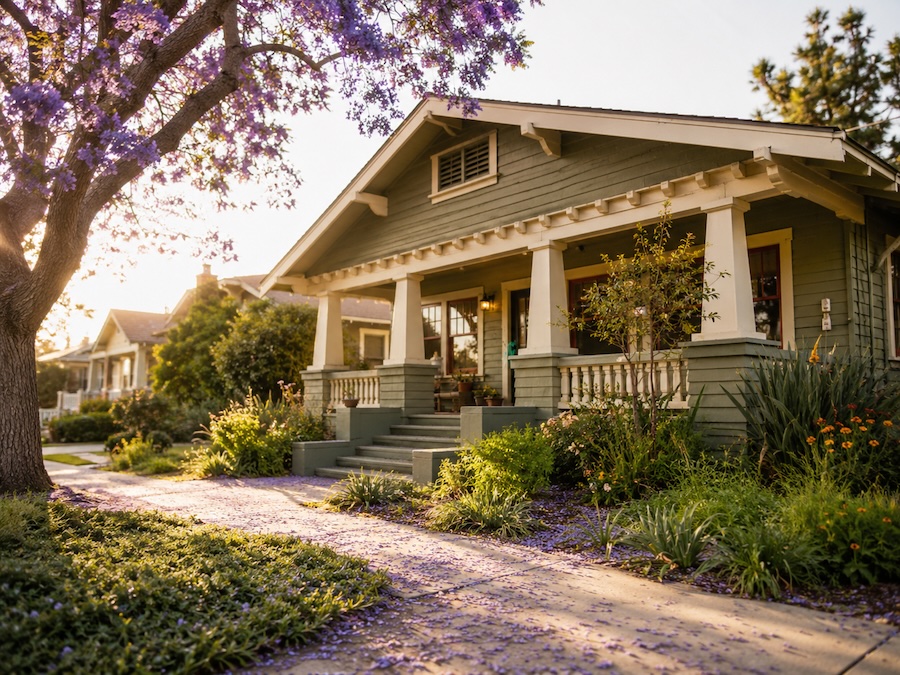
If you own a Craftsman bungalow or a mid-century home anywhere between 30th Street and the Dryden Historic District, there is a very real chance your property has some form of unpermitted work. A converted garage. An enclosed porch. A bathroom was added in the 1970s without a single permit being pulled.
In North Park, where homes date back decades and there have been lots of DIY projects, unpermitted additions are no exception. They are practically a neighborhood tradition. I’ve been in many homes in North Park throughout my 20+ years of selling real estate in the neighborhood. And, it is always interesting to see the different types of additions in many of these homes. When there are additional separate rooms and there is no knowledge of permits, we tend to call them bonus rooms when marketing them for sale.
But here is what changed in 2026: San Diego is cracking down. The City Attorney’s office filed a major lawsuit in February targeting unpermitted renovations, with civil penalties of up to $2,500 per violation per day. This was mainly created because investors, also known as “flippers,” buy up fixer-uppers, remodel them quickly, and put them back on the market for sale.
Meanwhile, North Park home values are holding strong, with detached homes selling at a median of $1,232,500 and closing at 100.3% of list price. The market is on your side, but only if you handle the unpermitted work correctly.
Having closed over 530+ transactions (the majority right here in North Park), what I tell my clients is simple. Unpermitted work does not have to kill your deal. It just has to be handled honestly and strategically.

Your Legal Obligation to Disclose Unpermitted Work in North Park
Let’s start with the non-negotiable part. California Civil Code Section 1102 requires you to disclose any known unpermitted work on your Transfer Disclosure Statement. Period.
There is no workaround, no “as-is” loophole, no way to bury it in fine print. If you know about unpermitted additions and fail to disclose them, you expose yourself to lawsuits for damages, rescission of the sale, attorney fees, and potentially punitive damages.
What does this look like in practice? You check every box on the TDS that applies. You note the converted garage, the added bedroom, and the unpermitted bathroom. Your agent prepares supplemental disclosures that clearly describe the scope of the work and its permit status.
Here is the counterintuitive truth I have learned after 22+ years in this business: full, confident disclosure actually increases buyer trust. When everything is laid out transparently, buyers stop wondering what else you might be hiding. Take your time completing these disclosures, as it is very easy to forget things done years ago.
One seller near the Ray Street Arts District came to me convinced that disclosing their unpermitted sunroom would tank the sale. Instead, we disclosed it thoroughly, priced the home to account for the buyer’s potential legalization costs, and received two offers within 10 days. The buyer who won actually wanted that sunroom. They just needed clarity on what they were taking on.
Three Pathways for Handling Unpermitted Additions Before You Sell in North Park
You have options, and the right one depends on the type of work, its scope, and your timeline. Let me walk you through each.
Pathway 1: Retroactive Building Permits
This is the gold standard. You apply for a retroactive permit through the City of San Diego’s Development Services Department, have the work inspected, bring any substandard work up to current code, and close the permit. When the home hits the market, the addition is fully legal.
- Cost range: $500 to $2,000+ for the permit itself, though some jurisdictions charge 2 to 4 times the standard fee as a penalty multiplier.
- Hidden costs: You may need to open walls, floors, or ceilings for inspection, and any non-compliant work must be corrected.
- Timeline: The City says it can take 4 to 12 weeks, depending on complexity and city backlog. From personal experience, I am currently going through the process of obtaining permits for an ADU that was already in place when I purchased the home.
It took 11 months to get the plans approved. Now, I have to schedule the different inspections required by the City of San Diego. They may approve certain things, but have me change others in order to get the permit. We’ll see how it goes. Wish me luck!
For smaller projects (a bathroom remodel, an enclosed patio), this is often the smartest investment you can make. A fully permitted addition at $800 per square foot in the North Park market can add tens of thousands in appraised value.
Pathway 2: The AB 2533 and SB 1226 ADU Compliance Path
If your unpermitted addition functions as an accessory dwelling unit or a separate living space, San Diego has a specific compliance pathway. AB 2533 applies to unpermitted ADUs constructed before January 1, 2020, and it prohibits the city from denying your permit unless the violation involves a genuinely substandard condition. You can even obtain a confidential third-party inspection from a licensed design professional.
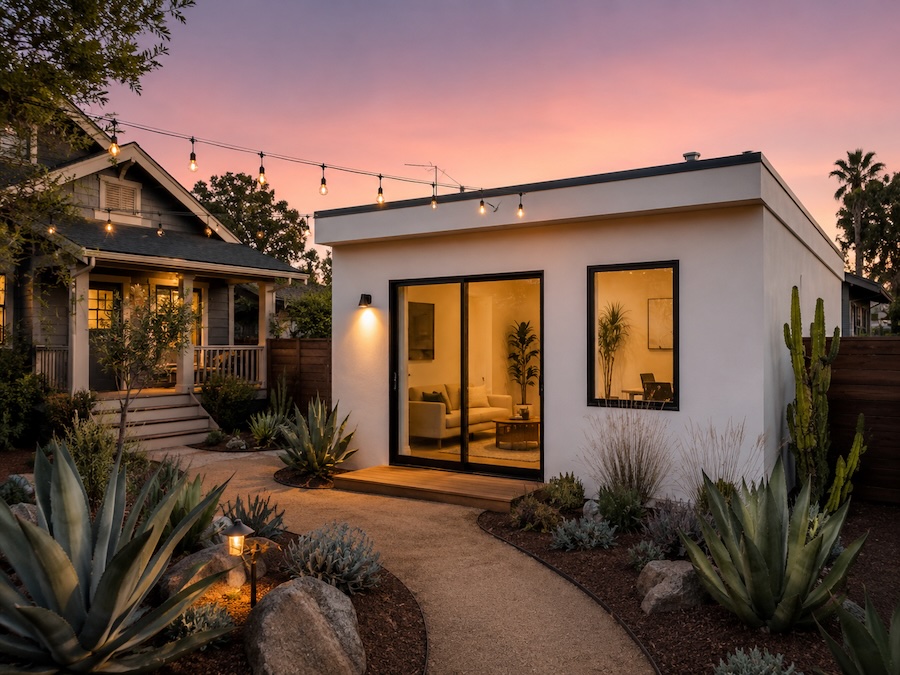
With 117 ADU permits issued in the North Park community planning area in just the past 12 months, this is one of the most active ADU neighborhoods in San Diego. The city wants these units legalized, not demolished. If your unpermitted addition is an in-law suite, a converted garage apartment, or a backyard casita, this pathway was essentially designed for you.
For more on how a legalized unit affects your sale price, read whether an ADU adds value when you sell in North Park.
Pathway 3: Sell with Full Disclosure and a Price Adjustment
Sometimes, legalizing the work before selling does not make sense. Maybe the timeline is too tight, the costs are too high, or the addition is minor enough that the market will absorb it. In these cases, you disclose fully. There are times when a pre-listing inspection is a good idea to quantify exactly what needs to be done and price the home accordingly. Although I don’t always recommend a pre-inspection for other reasons.
What I tell my clients is that you need to do the math for the buyer. If legalization costs approximately $15,000 to $25,000, build that into your pricing strategy rather than leaving the buyer to guess. Guessing always leads to lowball offers.
If your situation calls for a sharper pricing edge, here’s our take on pricing slightly below comps in 92104 to attract more buyers. It has been successful, and our clients ultimately end up receiving a higher price than expected.
How Unpermitted Additions Affect Your North Park Home Value and Appraisal
Here is where things get practical. In a market where the median price per square foot runs around $800, that unpermitted 200-square-foot addition could theoretically be worth $160,000. But appraisers cannot count unpermitted square footage the same way they count permitted space.
What actually happens is the appraiser notes the unpermitted area, may assign reduced or zero value to it, and the lender adjusts accordingly. This holds true, especially since the home does not have a garage now. This creates a gap between what you believe your home is worth and what the bank will finance.
One family I worked with on a tree-lined street near Pershing had added a beautiful third bedroom without permits. The addition was well-built and code-compliant in every visible way. They chose to pursue a retroactive permit before listing. The permit process took six weeks and cost about $1,800.
When the home was appraised, that bedroom was counted at full value, adding over $100,000 to the final sale price compared to what we would have gotten if we had sold it as unpermitted.
That is the kind of return on investment that makes the permitting process worth the wait.
Why North Park Buyers Still Want Your Home (Even with Unpermitted Work)
North Park is not a neighborhood where buyers walk away easily. With only 2.0 months of inventory for single-family homes, an average of just 32 days on market, and closed sales up 58.3% year over year, demand here is fierce.
Buyers choosing North Park are choosing walkability along 30th Street, proximity to Balboa Park, Thursday evenings at the North Park Farmers Market, and weekend brunches at places like Tribute Pizza or Communal Coffee. They are choosing a lifestyle, and they are willing to work with imperfect situations to get it.
The buyers most likely to close on a home with unpermitted additions fall into a few categories:
- Cash buyers who do not need lender appraisals (though they should understand they inherit 100% of the liability).
- Renovation-minded buyers who plan to remodel anyway and can fold permitting into their project scope.
- Investors purchasing properties with unpermitted ADUs for rental income potential, especially given North Park’s average rent of $2,885 per month.
The key is matching your home to the right buyer. If you’re on the buyer’s side and want to avoid common pitfalls before making an offer, read what not to do before purchasing a home.
With 185 client reviews and an average rating of 4.9, the feedback I hear most often from past clients is that our team’s ability to target the right buyer pool made the difference between a smooth closing and a stalled transaction.
The Step-by-Step Game Plan to Sell Your North Park Home with Unpermitted Additions
Here is exactly how I would approach this if you called me today at 619-736-7003.
- Walk the property together and identify every piece of unpermitted work, whether obvious or subtle.
- Depending on the home, hire a licensed inspector to see the condition and code compliance of each addition.
- Consult with the City of San Diego Development Services to determine which legalization pathway applies.
- Run the numbers. Compare the cost of retroactive permitting against the likely price impact of selling as-is with disclosure.
- Make the strategic call. Legalize what makes financial sense, disclose everything else with clear documentation.
- Price the home to reflect reality, not fantasy. A well-priced North Park home with transparent disclosures still sells at or above asking.
- Market to the right buyer pool with professional staging, photography, videography, and targeted outreach.
Frequently Asked Questions About Selling a North Park Home with Unpermitted Additions
Do I have to disclose unpermitted work when selling my North Park home?
Yes, absolutely. California Civil Code Section 1102 requires disclosure of all known unpermitted work on the Transfer Disclosure Statement. Failing to disclose exposes you to fraud claims, lawsuits for damages, and potentially punitive penalties. Even selling “as-is” does not remove your disclosure obligations in California.
How much does a retroactive permit cost in San Diego?
Retroactive permit costs in San Diego typically range from $500 to $2,000 for the permit itself. However, some jurisdictions charge penalty multipliers of 2 to 4 times the standard fee. If walls need to be opened for inspection or substandard work needs correction, total costs can climb significantly higher depending on the scope.
Can I sell my North Park home as-is with unpermitted additions?
You can sell as-is, but you still must disclose the unpermitted work. Selling as-is simply means you are not agreeing to make repairs. It does not waive your obligation to tell buyers about known permit issues. Strategic pricing and thorough disclosure are key to making an as-is sale work.
Will unpermitted work affect my North Park home appraisal?
Yes. Appraisers typically cannot assign full value to unpermitted square footage. This can create a gap between your expected sale price and the lender-approved value, potentially causing financing issues for buyers. Retroactively permitting the work before listing solves this problem entirely, though it doesn’t make sense to do in many cases.
What happens if the city finds unpermitted work on my property?
San Diego’s code compliance department can issue fines up to $1,000 per day, capped at $50,000 per year, for continuing unpermitted construction. The February 2026 City Attorney lawsuit also demonstrated that civil penalties can reach $2,500 per day per violation. In extreme cases, demolition orders may be issued.
Is there a special process for legalizing unpermitted ADUs in North Park?
Yes. AB 2533 and SB 1226 created a compliance pathway specifically for unpermitted ADUs constructed before January 1, 2020, within the City of San Diego. The law actually prohibits the city from denying your permit unless a substandard condition exists. A confidential third-party inspection by a licensed professional is also an option.
How long does it take to get a retroactive permit in San Diego?
The City recommends planning for 4 to 12 weeks from application to final inspection, depending on the complexity of the work and the current backlog at the Development Services Department. Simple projects move faster. Though, in my personal experience, it can take longer. Additions requiring structural engineering or extensive plan review take longer.
Do cash buyers care about unpermitted additions in North Park?
Cash buyers avoid lender appraisal issues, which is a significant advantage. However, they should understand that they inherit 100% liability for unpermitted work, including retroactive permit costs that can run into tens of thousands of dollars and potential penalties. Savvy cash buyers will still negotiate a discount.
Should I legalize unpermitted work before selling or just adjust my price?
It depends on the math. If legalization costs $2,000 to $5,000 but adds $50,000 or more in appraised value, permitting is a clear win. If the work is extensive and legalization would cost $30,000 to $80,000 or more, a strategic price adjustment with full disclosure may be the better path. This is exactly the kind of analysis I run for every North Park seller I work with.
Can unpermitted work kill a North Park home sale entirely?
It can, but it usually does not when handled properly. Deals fail when buyers discover unpermitted work during inspections that was never disclosed, or when lender appraisals come back significantly below the contract price due to unpermitted square footage. Proactive disclosure, realistic pricing, and targeting the right buyer pool prevent these outcomes.
The Bottom Line on Selling Your North Park Home with Unpermitted Additions
Unpermitted additions are one of the most common challenges I see in North Park’s historic housing inventory. After 530+ closings, predominantly in the North Park neighborhood and surrounding areas like South Park and University Heights, I can tell you with confidence: this is a solvable problem.
The North Park market is working in your favor right now, with homes selling in an average of 32 days and demand continuing to outpace supply. Your unpermitted addition does not erase that advantage. It simply requires a smarter strategy.
For the full process from prep to closing, see our step-by-step guide to selling your North Park home.
Disclose everything. Evaluate the legalization math. Price with honesty. Target the right buyers.
If you want to talk through your specific situation, call me, Z. McT-Contreras, with McT Real Estate Group, at 619-736-7003. We will figure out the best path forward for your home, your timeline, and your bottom line.