
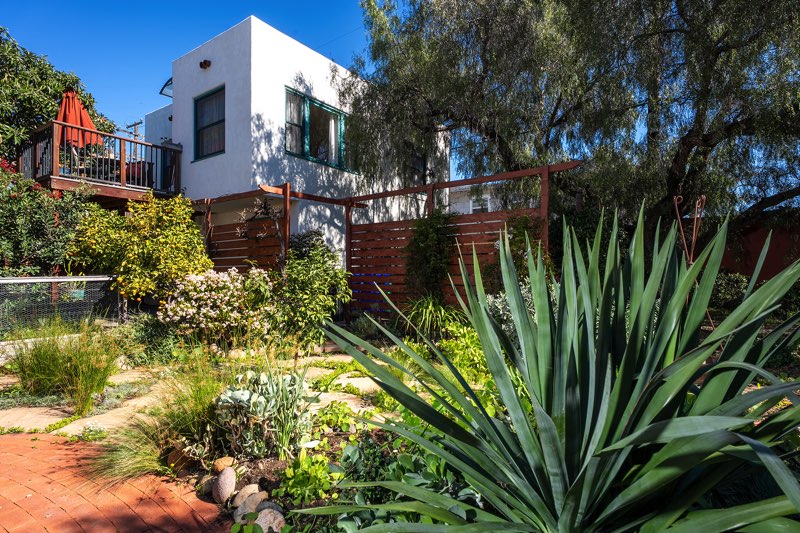
North Park homeowners are building backyard units faster than almost anywhere else in San Diego. In the past 12 months alone, 117 ADU permits were issued in the North Park community planning area, according to the City of San Diego’s permit database. That puts 92104 among the most active ADU neighborhoods in the city.
For how the ADU value fits into the broader sales strategy, see our North Park home-selling guide.
If you already have an ADU on your property, or are considering building one before you sell, this post is for you. The short answer is yes, a permitted ADU almost always adds value. But there are things you need to know before you assume every backyard unit turns into a big payday at closing.
What Is an ADU, and Why Do Buyers Care?
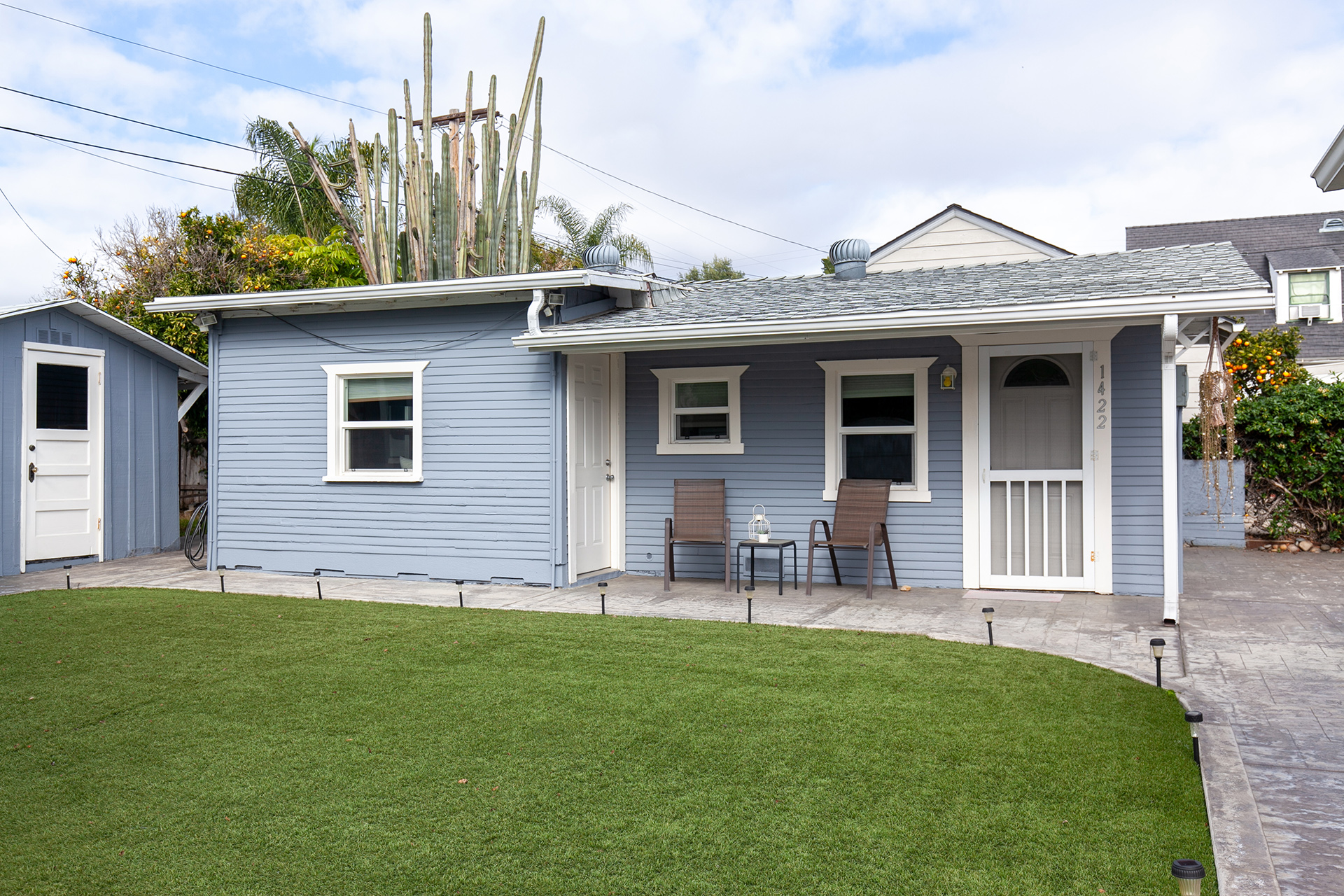
An ADU (accessory dwelling unit) is a fully self-contained living space on the same lot as your main home. It has its own kitchen, bathroom, and entrance. In North Park, you’ll see them in three forms: a detached backyard structure, a converted garage, or a unit attached to the main house.
There’s also the Junior ADU (JADU), which is a smaller unit carved out of the existing home’s footprint. This is usually a converted bedroom or garage space with its own entrance. JADUs are limited to 500 square feet under California law.
Why do buyers in North Park care about ADUs? Three reasons:
- Rental income. A small ADU in San Diego can generate $1,500 to $3,000 per month. Of course, this depends on size, finishes, and condition. That income can help a buyer qualify for a larger loan or offset their mortgage payment.
- Multigenerational living. Many buyers are looking for space to house a parent, an adult child, or an in-law. North Park’s older craftsman lots are well-suited for this, and we’ve been seeing a lot of this lately.
- Flexibility. Buyers like options. A separate unit can serve as a home office, a studio, a guest space, or a rental, depending on what life looks like in five years.
How Much Value Does a Permitted ADU Actually Add?
This is where things get specific. Homes with a legal ADU in San Diego tend to sell at a premium compared to similar homes without one. Research and appraisal data suggest that a well-built ADU can add 20% to 35% to your home’s value. In dollar terms, that’s significant on a North Park property.
Here’s a rough way to think about it: a common rule of thumb appraisers use is that an ADU adds approximately 100 times its monthly rental rate to the property’s value. If your ADU rents for $2,000 a month, that’s roughly $200,000 in added value. A backyard unit that costs $150,000 to $200,000 to build can more than pay for itself in equity, though outcomes vary by property.
Appraisers today compare your home against other homes with ADUs. That’s the key shift. As more North Park properties sell with ADUs attached, appraisers have better comps to work with, which means permitted ADUs are getting valued more consistently than they were just a few years ago.
I recall about 4 years ago, an appraiser gave a value of $75,000 to a property whose owners invested $250,000 in building the ADU. It did not make sense, but at that time, there were not many comps to compare it to. We conducted an appraisal rebuttal and successfully increased the value, though it wasn’t easy. Now things are different.
Homes with ADUs also move faster, especially if they are detached from the main house. Industry data shows properties with ADUs sell roughly 26% faster than comparable homes without one. In a neighborhood like North Park, where buyers are competitive and decisive, that kind of demand can also protect your sale price during negotiations.
Permitted vs. Unpermitted: This Is Not a Gray Area
If there’s one thing to take away from this post, it’s this: an unpermitted ADU is a liability, not an asset, when you go to sell.
Here’s why. When a buyer finances a purchase, the home has to appraise at or above the purchase price. An appraiser cannot officially count an unpermitted unit in their valuation. That means a buyer’s lender may not give them credit for the second unit at all. Especially if the ADU is a converted garage. The value is a wash, since the property no longer has a garage. It may be valuable to the buyer, but if the buyer is getting a loan, remember, the lender is the one loaning the money.
Your buyer pool shrinks to cash buyers or buyers willing to accept that risk, and the negotiating leverage shifts away from you.
Beyond appraisal issues, there’s disclosure. In California, you are required to disclose material facts about the property. An unpermitted unit qualifies. If the buyer knows this upfront and is ok with it, there is no issue. But if they don’t know this and, after the sale, somebody reports them to the city, this can open a can of worms I don’t wish on anyone. Technically, the city can ask them to tear it down or get it permitted, which can be very costly and stressful.
The good news: California now has a cleaner path to legalize older unpermitted units. AB 2533 provides homeowners with units built before January 1, 2020, with a more straightforward legalization process and fewer penalties. If you have an unpermitted structure on your lot, knowing what to expect up front is always best before you put your home on the market.

Should You Build an ADU Before You List?
This is the question sellers ask most often, and the honest answer depends on your timeline and budget.
My immediate response is NO. Just because you add an ADU does not mean you will make a greater return on your investment. Sometimes it takes an architect 9 months to a year to get drawings together and get the plans approved. By the time you hire the contractor and get it built, time will have passed, and who knows what the market will look like then.
Building a new detached ADU in San Diego in 2026 typically costs between $150,000 and $350,000, depending on size and finish level. A garage conversion runs lower, usually $100,000 to $200,000. The city will tell you that the permitting process for a new build in San Diego can take three to six months or more, and that’s before construction begins, but I’ve heard from many that it takes much longer than that.
If you’re planning to sell in the next 12 to 18 months, building from scratch is a long, complex road with many variables. Most sellers in that timeframe are better off focusing on prep work that delivers a faster, more predictable return, such as fresh paint, updated landscaping, and deferred maintenance, rather than a construction project.
But if your plans to move are longer than 5 years, maybe it’s worth considering if you have an existing structure on your lot that could be converted and permitted; that’s a different conversation. A legal garage conversion done right can add meaningful value with a shorter timeline than new construction.
If you already have a permitted ADU and you’ve been renting it out, that rental history is a selling tool. Document it. Buyers and their lenders want to see actual rental income to support the valuation.
What North Park Buyers Are Willing to Pay For
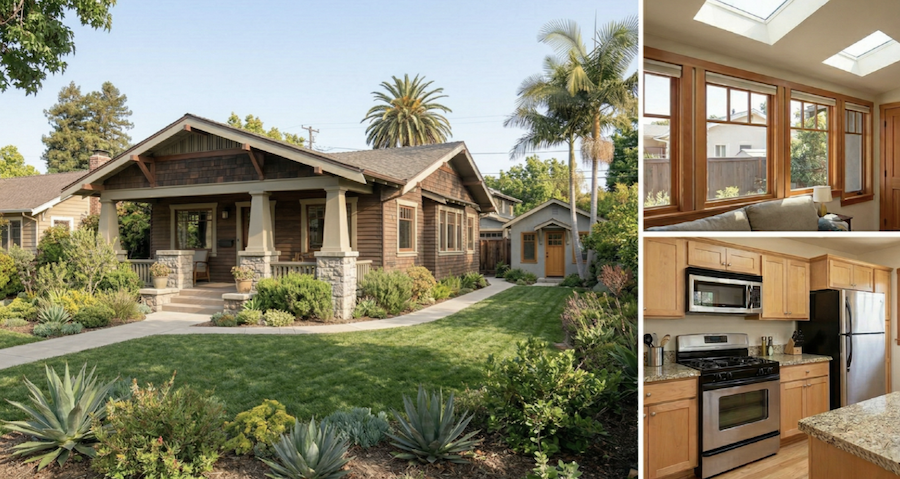
Not all ADUs are equal in a buyer’s eyes. Here’s what makes a backyard unit command the highest premium at sale:
- Private entrance. Buyers want a unit that feels separate from the main home. Shared entryways reduce buyer confidence and rental appeal.
- Functional kitchen. A real kitchen, not a kitchenette. Buyers pricing in rental income want a unit a tenant can actually live in full time.
- Good natural light. Dark, converted spaces feel like storage, not living space. Light matters to buyers and to appraisers.
- Separate utilities or easy separation. A unit that can be metered independently is more appealing and avoids future disputes between owner and tenant.
- Clean permits and inspection history. Have your permit and final inspection documentation ready. Buyers will ask for it, and their lender may require it.
In North Park specifically, buyers are sophisticated. They know the neighborhood, they’ve done their research, and they will look up your permit history on the city’s website before they make an offer. Being organized and transparent about your ADU gives you an edge.

A New Option: Selling Your ADU Separately
There’s a newer option worth knowing about. On March 4, 2026, the San Diego County Board of Supervisors voted to allow ADUs to be sold separately from the primary home through a condominium conversion process. The City of San Diego adopted a similar ordinance in August 2025.
This means, in theory, you could sell your main house to one buyer and your ADU to another. Or a buyer could purchase just the ADU as a separate condo. This opens up possibilities that didn’t exist a few years ago.
That said, this process is not simple. It involves condominium mapping, significant city processing fees (approximately $20,000 from the City of San Diego alone), engineering costs, and lender consent. It’s a niche path that makes sense in specific situations, not a standard approach for most sellers. But if you have a larger lot with a high-quality ADU and want maximum flexibility in how you sell, it’s worth exploring your options.
If you want to understand how your ADU fits into your overall selling strategy, start with our seller’s guide for North Park. And if you’re ready to find out what your property is worth today, with or without an ADU, you can request a free home valuation here.
The Bottom Line for North Park Sellers
A permitted ADU is one of the strongest value-adds a North Park homeowner can offer when selling. It broadens your buyer pool, attracts investors and multigenerational families, supports a stronger appraisal, and gives buyers one more reason to pay full price.
The risks are almost entirely on the unpermitted side. If your unit has no permits, get ahead of it before you list. The cost to legalize or disclose upfront is almost always less than the negotiating damage it causes once a buyer finds out mid-escrow. Disclose upfront to avoid surprises.
If you’re not sure where your property stands or whether your ADU is working for or against you in today’s market, the best first step is a direct conversation. We’ve sold plenty of North Park homes with ADUs, multi-unit setups, converted garages, and actually own properties with them; we know how buyers view them and price them right now.
Read our step-by-step seller guide or explore the North Park neighborhood guide to learn more about what’s driving buyer demand in 92104 right now.

Frequently Asked Questions
Does an ADU automatically increase my home’s value in North Park?
A permitted ADU generally does add value, but the amount depends on the unit’s size, quality, condition, and how it compares to other ADU sales in the area. A well-finished, legally permitted ADU with a private entrance and functional kitchen typically adds the most value. An unpermitted unit does not receive appraisal credit and can actually complicate your sale.
Should I build an ADU before selling my North Park home?
It depends on your timeline and budget. New ADU construction in San Diego typically costs $150,000 to $350,000 and takes six months or longer, including permitting. If you’re selling within 12 to 18 months, most sellers are better served focusing on cost-effective prep work rather than a new build. If you have an existing structure that can be converted and permitted, that’s a faster path worth exploring.
What happens if I have an unpermitted unit on my North Park property?
You are required to disclose it to buyers under California law. An unpermitted unit cannot be included in an appraisal, which limits your buyer pool and washes out the value if you remove the garage. California’s AB 2533 offers a path to legalize older unpermitted units built before January 1, 2020.
Can I sell my ADU separately from my main home in San Diego?
As of 2025 and 2026, yes, San Diego allows ADUs to be sold separately through a condominium conversion process. However, it involves high costs and steps, including city mapping fees, engineering, and lender consent. It is a niche option that makes sense in certain situations but is not the standard path for most sellers.
How much rental income can a North Park ADU generate?
A small ADU in North Park can rent for approximately $1,500 to $3,000 per month, depending on size, finishes, and condition. Larger, two-bedroom units can go higher. That rental income can help buyers qualify for financing and strengthen the appraisal, which is why documenting your rental history before listing is worth the effort.