
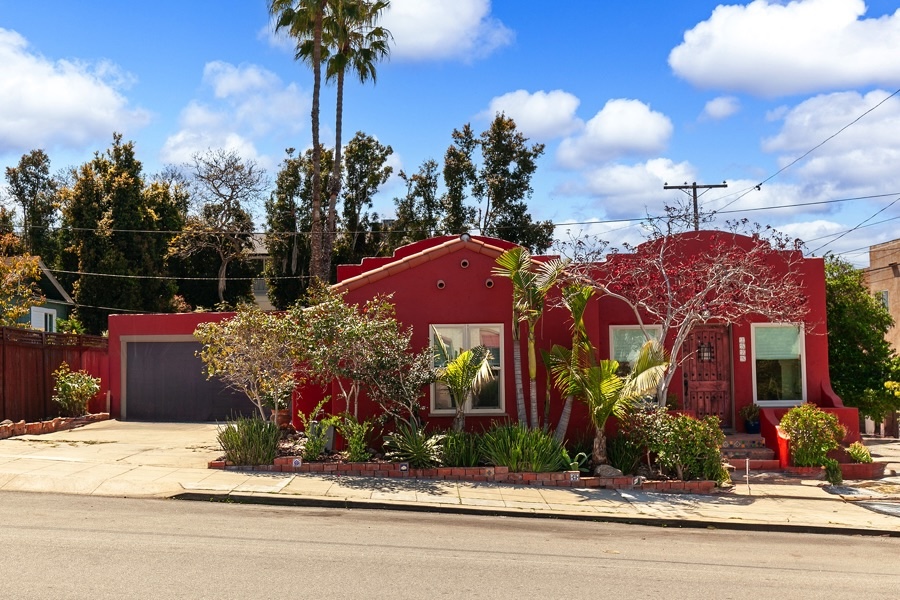
You’ve probably heard the word “tariffs” a lot lately. It’s all over the news. But here’s the question nobody is answering for you directly: what does this actually mean if you own or want to buy a home in North Park?
The short answer: it matters for both sides. Whether you’re planning to sell in the next 6 to 12 months, or you’re shopping for a home in San Diego right now, tariffs are quietly changing the math. Here’s what’s happening, and what to do about it.
The quick version: tariffs on steel, aluminum, copper, lumber, and cabinets have raised construction and renovation costs by roughly $10,900 per home. For sellers, pre-sale updates cost more. For buyers, fixer-uppers and new construction cost more to finish, which makes move-in-ready North Park homes the better value right now.
What the Tariffs Are Actually Doing to Construction Costs
Tariffs are essentially a tax on imported goods. And a huge portion of the materials used to build and renovate homes in the U.S. comes from other countries.
Here’s what’s already happened:
- Steel and aluminum tariffs now sit at 50% under Section 232
- Kitchen cabinets and bathroom vanities are taxed at 25% through at least January 2027, and a scheduled jump to 50% was delayed a year
- Canada supplies roughly 85% of the softwood lumber the U.S. imports, and tariffs on that lumber are pushing framing costs higher
- Copper, which runs through every electrical system and plumbing line, came under new Section 232 tariffs in April 2026
The National Association of Home Builders estimates that tariffs are adding roughly $10,900 to the cost of building a typical new home. Some contractors are telling clients to budget up to 30% more for remodeling projects than they would have two years ago.
That’s real money. And it affects you whether you’re buying or selling.
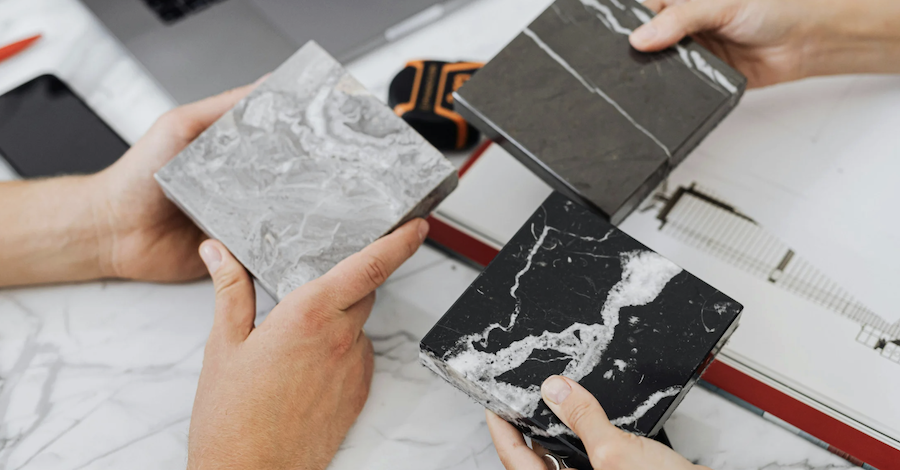
What Tariffs Mean for North Park and San Diego Home Buyers
If you’re buying, tariffs change one thing above all: the true cost of a home is now the price plus what it takes to finish it. That gap matters more than it used to.
Fixer-uppers cost more to fix. A project home that needed $60,000 of work two years ago can run $75,000 to $80,000 now, once you factor tariff-driven prices on cabinets, appliances, steel, and lumber. Get real contractor quotes before you write an offer on a fixer, not after. The “cheap” house is not always the cheap house.
New construction carries the tariff premium. Builders pass higher material costs straight to the buyer. In San Diego, where new detached inventory is already limited, new-build and heavily remodeled homes now sit at the top of the price range. You can see how that tradeoff shakes out in our guide to fixer-upper vs new construction.
Move-in-ready is the value play. A turnkey North Park home lets you skip the inflated renovation bill entirely. For a lot of buyers in 2026, paying a bit more for a finished home beats buying a project and getting hit with tariff pricing on every material.
Planning an ADU or an addition? Budget for it up front. Adding a granny flat or ADU uses the same lumber, steel, and copper that tariffs have made pricier. Price that into your offer, not after you close.
And remember the rest of your cash-to-close math. Between higher renovation costs and today’s rates near 6.48%, plan your full budget early. Our breakdown of closing costs when buying a home in San Diego walks through what to set aside beyond the down payment.
How This Affects North Park Sellers Specifically
Most homes in North Park were built between 1910 and 1950. They have character. They have history. They also have aging kitchens, older bathrooms, and systems that buyers will scrutinize during inspection.
In a normal market, sellers often do a round of updates before listing, new countertops, fresh cabinet fronts, updated fixtures, to justify a higher price point. That strategy still works. But the cost of executing it has gone up.
Here’s the real-world math. If you were planning to spend $30,000 refreshing your kitchen before listing, that same project might now cost you $38,000 to $42,000 once you factor in tariff-driven price increases on materials and appliances. And contractors are booking further out because labor is tight too.
So the first question you need to ask yourself is: which updates are actually worth doing right now?
What Still Makes Sense to Do Before You List
Not every pre-sale update requires expensive imported materials. Some of the highest-return improvements are also the least impacted by tariffs.
Paint: This is the number one thing we typically recommend. Fresh interior and exterior paint is one of the best returns you can get. Most of the cost is in the labor. It truly transforms how a home photographs and feels when a buyer walks in. Budget roughly $3,000 to $6,000 for a full interior repaint on a typical North Park bungalow. This money is well spent.
Curb appeal: First impressions still matter and don’t have to cost a lot. Clean up the front yard, add some plants, and pressure wash the driveway if you have one. Low-cost, high-impact, and largely unaffected by tariffs.
Deep cleaning and decluttering: You can’t get anything cheaper than this. It’s free if you do it yourself. Seriously underrated. Buyers make emotional decisions, and a clean, staged home feels more valuable.
Minor fixture updates: Swapping dated light fixtures, door handles, and faucets can give a space a facelift without triggering a full renovation. Keep it to surface-level swaps where the structure stays intact.
What’s worth avoiding right now? Full kitchen gut-jobs, new roof installations, and anything that requires structural steel or significant lumber. The cost-to-value math has shifted. You may not recoup what you spend.
If you’re unsure what makes sense for your specific property, that’s exactly what a pre-listing consultation is for. You can start here to understand how we approach seller prep in North Park.

The Flip Side: Tariffs Actually Help Some Sellers
Here’s something the news coverage misses: rising construction costs can work in your favor if you already own a finished, move-in-ready home.
Think about it from a buyer’s perspective. If the cost to renovate a fixer-upper just went up by $10,000 to $20,000, a home that is already updated becomes more attractive by comparison. Buyers who were willing to take on a project are now doing the math and reconsidering.
That means well-maintained, turnkey homes in North Park have a real edge right now. If your home is in good condition, tariffs are working for you, not against you.
This is one reason pricing strategy matters more than ever in 2026. A home priced correctly and presented well competes strongly against fixer-uppers, which buyers are now more hesitant to buy. For a deeper look, read our guide on 5 strategies for pricing a home for sale in San Diego.
Are Buyers Getting Nervous? Should Sellers Worry?
Fair question. Tariffs create economic uncertainty, and uncertainty can make buyers hesitant. We’ve seen some pullback in buyer activity county-wide in early 2026.
But here’s the context that matters for North Park. We recently listed a home on Dale Street and priced it strategically to create competition among buyers. We received 8 offers and sold for $200,000 over the list price. The last few homes we’ve sold have drawn multiple offers.
North Park is a walkable, established neighborhood with limited inventory and consistent demand. Buyers who want to live here, close to Balboa Park and the restaurant corridor on 30th Street, in a neighborhood with real community, are not easily redirected to a suburban alternative.
The buyers who go quiet when the economy wobbles are often the ones chasing the best deal in any market. The buyers who are serious about North Park are driven by lifestyle, family needs, and timing that has nothing to do with tariffs. They’re still active.
That said, overpriced homes will sit longer right now. Buyers have more inventory to choose from than they did in 2022, and they’re taking their time. If you price aggressively or skip necessary prep, you’ll feel the softer market. If you price it right, you won’t.

The Bigger Picture: Why North Park Homes Hold Their Value
Tariffs are a short-term disruption. North Park’s fundamentals are long-term.
The neighborhood continues to attract new businesses, restaurants, and residents. Inventory here has historically been tight because the housing stock is older, and people tend to stay a long time. New construction in the area is mostly multifamily, not the detached single-family homes that dominate the 92104 zip code.
See the 2026 businesses and restaurants opening in North Park and why it supports your home value.
What that means for you: you own, or you’re buying into, something that cannot easily be replaced. A 1920s craftsman bungalow with original hardwood floors, a covered front porch, and a short walk to the Thursday Farmers Market is not something a builder is going to reproduce at scale, especially not in today’s cost environment.
That scarcity holds value. Even in a market with more uncertainty than 2021, North Park detached homes have held a median sale price around $1,250,000 over the last 30 days, based on my direct San Diego MLS (SDMLS) data.
You can learn more about what’s driving values in our area on the North Park community page.
So Should You Buy or Sell Now, or Wait?
That depends on your situation, not the tariff headlines.
If you’re selling: if you’re moving closer to family, downsizing, or freeing up equity, the timing comes down to your personal timeline and finances. It doesn’t really matter whether lumber prices settle down next quarter. What tariffs change is your pre-sale strategy. Spend your renovation dollars wisely, price to attract serious buyers, and position your home’s condition as an asset.
If you’re buying: don’t wait for tariffs to “settle” before you shop. Focus on total cost, not just list price. Favor move-in-ready homes, budget renovations with real quotes, and get pre-approved so you can move fast when the right North Park home comes up. Our step-by-step guide to buying a home in San Diego lays out the full process.
If you’re thinking about selling in the next 6 to 12 months and want to know exactly what your home is worth right now, the best first step is a free home valuation. Get your free North Park home valuation here.
And if you want the full picture of what selling a home looks like from start to finish, our step-by-step guide to selling your home in North Park walks you through everything.
Quick Summary for North Park Buyers and Sellers
- Tariffs have raised renovation and construction costs by roughly $10,900 per home, and up to 30% on some materials
- Updates that depend on imported materials, cabinets, steel, appliances, cost more now
- Sellers: high-ROI, low-tariff-impact improvements like paint and landscaping still make sense
- Buyers: fixer-uppers and new construction cost more to finish, so get quotes before you offer
- Move-in-ready homes have an edge because buyers are more hesitant to take on costly projects
- North Park’s inventory shortage and desirability continue to support strong values
- Price correctly, prepare smartly, budget the full cost, and the market still works in your favor
Questions about what this means for your specific home? That’s what we’re here for. Reach out anytime. We’ve sold over 530 homes in North Park and the surrounding metro neighborhoods, and we know this market block by block.
Contact us here to talk through your options.

Frequently Asked Questions
How are tariffs affecting home sellers in North Park, San Diego?
Tariffs on imported construction materials like steel, aluminum, lumber, and cabinets have raised renovation costs by roughly $10,900 per home on average. For North Park sellers, this means pre-sale updates cost more. It also means move-in-ready homes are more attractive to buyers who want to avoid expensive renovation projects.
How do tariffs affect home buyers in North Park and San Diego?
Tariffs raise the cost of finishing a home, so the true price is the purchase price plus renovation costs. Fixer-uppers and new construction cost more to complete in 2026, which makes turnkey homes a stronger value. Buyers should get contractor quotes before making an offer on a project home and budget the full cost, not just the list price.
Should I buy a fixer-upper in San Diego in 2026?
It can still make sense, but run the numbers first. Tariff-driven prices on cabinets, appliances, steel, and lumber can add $10,000 to $20,000 or more to a renovation compared to two years ago. Get real contractor quotes before you write the offer, and compare that total against a move-in-ready home before you decide.
Do tariffs make new construction more expensive in San Diego?
Yes. Builders pass higher material costs to buyers, so new-build and heavily remodeled homes carry a tariff premium. With new detached inventory already limited in areas like North Park, that premium pushes new construction to the top of the price range.
Should I renovate my North Park home before selling in 2026?
Focus on high-ROI, low-material-cost updates like fresh paint, landscaping, and minor fixture swaps. Avoid full kitchen or bathroom gut jobs right now. The cost has risen sharply due to tariffs, and you may not recoup your investment at sale.
Are tariffs causing home prices to drop in North Park?
Not in North Park specifically. The neighborhood’s limited inventory, walkability, and consistent demand have kept detached home prices strong, with a median sale price around $1,250,000 in mid-2026 per SDMLS data. Well-priced, move-in-ready homes are still selling competitively.
Is 2026 still a good time to sell a home in North Park, San Diego?
Yes, for sellers who price correctly and prepare strategically. Tariff uncertainty has made some buyers more cautious, but North Park’s scarcity of detached homes and strong lifestyle appeal continue to attract serious buyers. The key is pricing right from day one and presenting the home well.