
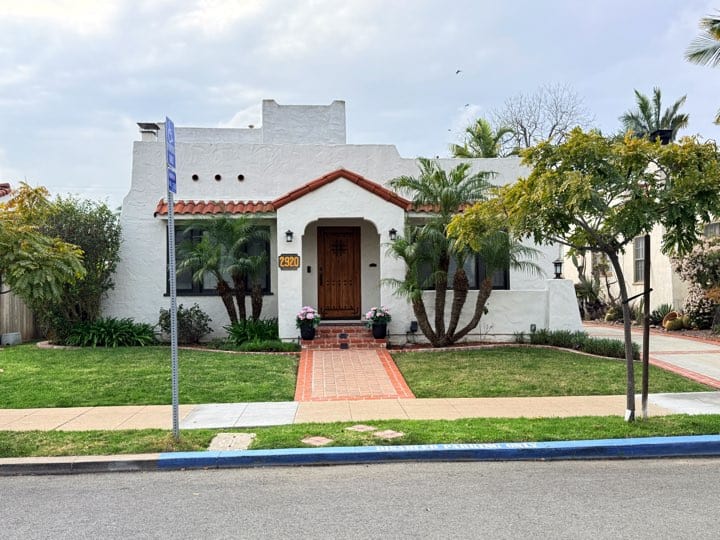
What is title fraud, and how can homeowners and buyers in North Park and University Heights, San Diego protect themselves from it?
Title fraud is identity theft targeting your property: someone impersonates you, forges documents, and transfers your deed without your knowledge. The good news is that San Diego County offers a free alert system to catch it early.
Why Title Fraud Matters Right Now in San Diego
If you have owned your home in North Park or University Heights for a decade or more, you have likely built significant equity in one of San Diego’s most desirable neighborhoods. That equity makes you a target.
In April 2026, the San Diego Association of REALTORS (SDAR) issued a formal consumer alert warning that scammers are impersonating licensed California real estate agents to commit fraud across San Diego County, according to SDAR’s consumer alert on scammer tactics. The trend is described as growing. That is not a hypothetical scenario from a different state. It is happening here, in our neighborhoods, right now.
What I tell my clients is simple: the best defense costs you nothing and takes five minutes. San Diego County runs a free service called Owner Alert that emails you any time a document is recorded against your name or parcel number. Before we get into the details, understand that this is the single most actionable step you can take today. Everything else in this post builds on that foundation.
What Title Fraud Actually Looks Like in North Park and University Heights
So what exactly is title fraud? The FTC defines it plainly: title fraud is identity theft where someone pretends to be you and transfers your deed to someone else. It is not a boundary dispute. It is not a surprise lien from a forgotten contractor. Those are ordinary title defects. Title fraud is deliberate, criminal, and targeted.
Here is how it typically works. A fraudster researches publicly available property records and identifies a homeowner. They forge identification documents, impersonate you (sometimes through notarized documents, sometimes through digital forgery), and file a fraudulent deed transfer with the county recorder. Once that deed is recorded, they may attempt to take out loans against your property or sell it outright.
Why Long-Term Owners Are Prime Targets
You might wonder why someone who has lived in the same North Park or University Heights home for 20 years would be a target. The answer is equity.
If you hold title in a living trust (which many 55-plus homeowners in San Diego do for estate planning purposes), you should know that trust-held properties can also be targeted. The trust name may appear on recorded documents rather than your personal name, so registering both your personal name and your trust name with Owner Alert is especially important.
San Diego County’s Free Owner Alert Service: Your Best Protection
This is where San Diego gives you a real advantage. The San Diego County Assessor, Recorder, and County Clerk operate Owner Alert, a free real estate fraud notification service that sends you an immediate email notification any time a document is recorded that transfers title to your property.
Let me be direct: this is the tool I recommend to every homeowner I work with. Our team has closed 530+ sales in North Park and nearby neighborhoods since 2004, and we have watched fraud schemes evolve. Owner Alert is the most straightforward way to stay ahead of them.
How to Enroll in Owner Alert
Here is exactly what you need to do:
- Visit the San Diego County Assessor/Recorder/County Clerk website and navigate to the Owner Alert enrollment page
- Register your email address and set up monitoring for your name, trust name, or business entity name
- Add your Assessor Parcel Number (APN), which appears on your annual property tax bill. You can also look it up for free on the county website
- Each email address can monitor up to 10 names and 10 APNs. That is plenty of coverage if you own multiple properties or hold title under different entities
The entire process takes less than five minutes. If you have questions during enrollment, you can reach the Owner Alert team at owneralert@sdcounty.ca.gov or by phone at (619) 238-8158.
Why You Should Skip Paid “Title Lock” Products

You have probably seen the advertisements: dramatic warnings about title theft followed by a pitch for a monthly subscription to a “home title lock” product. Here is what you need to know. The FTC described these products as monitoring services that would only notify you after an unauthorized transfer had already occurred. The FTC explicitly warned that these paid products are, in its own words, “a ploy to scare you” and noted that some areas offer a free notification program. San Diego County’s Owner Alert is one of them.
In other words, Owner Alert does what those paid services claim to do. It just does it for free, and it comes directly from your county government. As someone who has worked with hundreds of homeowners across North Park, University Heights, and South Park, I have seen too many people pay for something they could get at no cost. Save that money for your move.
Agent Impersonation Scams Targeting San Diego Sellers
Title fraud is not the only scheme you need to watch for. If you are preparing to sell your home and downsize, there is a parallel threat that directly affects your transaction.
According to the SDAR consumer alert from April 2026, scammers are using real agents’ names, license numbers, photos, and professional identities to create fake online profiles. They build these profiles on platforms like Craigslist and social media, then attempt fraudulent home sales and rental schemes.
What does this mean for you as a seller in North Park or University Heights?
How to Verify Any Real Estate Professional

Before you work with anyone, take these steps:
Look up the agent’s license on the official California Department of Real Estate (DRE) website
Independently find the agent’s office phone number through a trusted directory, not through any number provided in an unsolicited message
Call the brokerage directly to confirm the agent is actually affiliated with that office
Cross-reference photos, contact information, and credentials across official platforms to make sure everything matches
These verification steps come directly from SDAR’s April 2026 advisory. For reference, my California DRE license number is 01715784, and you can verify my affiliation with TXR Homes Inc at any time. With 303 client reviews and a 4.9 out of 5 star rating, my track record is public and verifiable. That transparency is exactly what you should expect from any agent.
Red Flags to Watch For
According to the SDAR alert, common warning signs of agent impersonation include:
Requests for upfront fees before any services are provided
Demands for wire transfers to unfamiliar accounts
Listings that cannot be verified through official MLS channels or the agent’s brokerage
Urgency tactics pressuring you to act immediately without verifying credentials
Protecting Yourself Before, During, and After Your Sale
If you are downsizing from your home in North Park or University Heights, you are navigating one of the biggest financial transactions of your life. Here is a practical timeline for fraud protection.
Before You List
Enroll in San Diego County’s Owner Alert immediately. Even if you are not listing for another six months, start monitoring now.
Review your title report with your agent. I walk through every detail of the preliminary title report with my sellers because catching irregularities early prevents surprises at closing.
If you hold title in a trust, register both your personal name and the trust name with Owner Alert.
During Your Transaction
Verify every party involved in the transaction: your agent, the buyer’s agent, the escrow officer, the title company
Never wire funds based solely on email instructions. Always confirm wire details by phone using a number you have independently verified
Be cautious of last-minute changes to closing instructions, especially changes to bank account information.
After You Close
Keep your Owner Alert registration active on the property you just sold, at least for a few months, to confirm the deed transfer reflects only the legitimate sale.
If you are purchasing a new home, register that property’s APN with Owner Alert immediately after closing.
What to Do If You Suspect Title Fraud in San Diego
Your first call should be to the San Diego County District Attorney’s Office at 619-531-3552 or RealEstateFraudComplaints@sdcda.org. The County Recorder lists this same contact on its Recorder Notification Program letter.
You can also file reports with:
The Internet Crime Complaint Center (IC3)
The California Attorney General’s Office
Local law enforcement
The FTC through ReportFraud.ftc.gov
The Consumer Financial Protection Bureau (CFPB)
These reporting channels were all cited in SDAR’s April 2026 consumer alert. Document everything: save emails, screenshots, and any suspicious correspondence before you contact authorities.
Frequently Asked Questions
What is title fraud, and how is it different from a title defect?
Title fraud is a form of identity theft in which someone impersonates a property owner and forges documents to transfer the deed without the property owner’s consent. A title defect, by contrast, refers to issues like unknown liens or boundary disputes that arise from legitimate (though sometimes undisclosed) circumstances. Standard owner’s title insurance addresses title defects, issues like unknown liens or boundary disputes, and is distinct from the fraud-monitoring function that Owner Alert provides.
How do I sign up for San Diego County’s Owner Alert?
Go to the County’s sign-up page at arccprn.sandiegocounty.gov/Subscribe. Enter your email and name, and include your Assessor Parcel Number (APN) from your property tax bill, if you have it. It is free, and you can unsubscribe at any time.
Can Owner Alert monitor my property if I hold title in a trust?
Yes. Each registered email address can monitor up to 10 names and 10 APNs. You can register your personal name, your trust name, and your parcel number under a single account. This is especially important for homeowners in North Park and University Heights who have set up living trusts for estate planning.
Are paid “title lock” products worth the money?
The FTC’s August 2024 consumer alert described these products as monitoring services, not insurance, and stated they are “a ploy to scare you.” The FTC also noted that some areas offer free notification programs, including San Diego County’s Owner Alert. One thing I always recommend is checking the free option before paying for something you may not need.
What is the agent impersonation scam affecting San Diego?
According to SDAR’s April 2026 consumer alert, scammers are impersonating licensed California real estate agents by using their names, license numbers, photos, and credentials to create fake profiles. They then attempt fraudulent sales and rental schemes.
How can I verify that a real estate agent is legitimate?
SDAR recommends checking the agent’s license on the California DRE website, independently locating the agent’s office phone number, calling the brokerage to confirm affiliation, and cross-referencing photos and credentials across official platforms. These steps were outlined in SDAR’s April 2026 consumer alert.
Are long-term homeowners more at risk for title fraud?
Generally, yes. If you have owned your home for many years and have paid down most or all of your mortgage, your property carries significant unencumbered equity, which can make it an attractive target for fraudsters.
What red flags should I watch for when selling my home?
Key warning signs include requests for upfront fees, demands for wire transfers to unfamiliar accounts, listings that cannot be verified through official channels, and urgency tactics pressuring you to act before verifying credentials. These red flags were identified in the SDAR April 2026 consumer alert.
Where do I report suspected title fraud in San Diego County?
Your first point of contact should be the San Diego County District Attorney’s Office, Real Estate Fraud Unit. Additional reporting options include the IC3, the California Attorney General’s Office, local law enforcement, the FTC, and the CFPB, as outlined in SDAR’s April 2026 advisory.
Will San Diego County mail me a notice if someone records a deed on my home?
Yes. A state law called SB 255 requires every California county to mail a notice within 30 days when a deed, quitclaim deed, mortgage, or deed of trust is recorded. In San Diego County, the letter is called a Courtesy Notice. It includes the first three pages of the recorded document, your property address, and the parcel number. To pay for the program, the County is adding a $5 fee to those recordings starting January 4, 2027. A mailed letter can take weeks. Owner Alert is free and emails you as soon as a document is recorded, so sign up now. If a recording looks wrong, call the San Diego County District Attorney at 619-531-3552.
The Bottom Line
You have worked hard for the equity in your North Park or University Heights home. Protecting it from title fraud does not have to be complicated or expensive. Enroll in San Diego County’s free Owner Alert service today. It takes five minutes and monitors every document recorded against your name or parcel number. Verify any real estate professional through the California DRE before you sign anything. And if something feels wrong, contact the San Diego County DA’s Real Estate Fraud Unit immediately.
If you are thinking about selling, downsizing, or simply want to talk through how to protect your property, we’re here to help. With 22 years of experience and over 530 homes sold in North Park and surrounding neighborhoods, we’ve helped hundreds of homeowners navigate every stage of the process safely. Reach out to me, Z. McT-Contreras at McT Real Estate Group, at 619-736-7003 or visit mctrealestategroup.com. Your home is your biggest asset. Let’s make sure it stays yours.