

How should you approach buyer-agent commissions and concessions in North Park after the 2024 NAR settlement so you can sell faster without giving away your net?
The smartest play in North Park is to pair a competitive buyer-agent compensation offer with targeted concessions, such as closing credits or rate buydowns that comply with lender rules. You boost showings, compress days on market, and protect your net.
Why This Matters Right Now
You are listing a home in a market where speed and certainty still command a premium. Local MLS data shows roughly 1.8 months of supply, which keeps North Park in seller territory.
Average days on market hover near 22, so you can win quickly if you set up the right incentives from day one. For a broader look at the selling process, see our step-by-step guide to selling your house in San Diego.
You are not expected to pre-offer a set commission in the MLS, and buyers now negotiate their agent’s fee directly with their broker. That shift does not remove buyer agent influence on showings and offers. If you want full market exposure for selling my home in North Park, you should structure a clear, legal, attractive package that answers two questions for agents and buyers immediately: how they get paid, and how your home becomes more affordable for the buyer.
What You Need to Know Before You Set Buyer Agent Compensation
You should start with the policy landscape. The 2024 settlement clarified that you do not have to offer buyer agent compensation in the MLS. Buyers sign their own representation agreements, and their compensation is negotiable. (BTW, I’ve been selling homes in North Park and metro San Diego for over 20+ years, and commissions, among other things, have always been negotiable.) You can still offer to fund all or part of the buyer’s agent fee through seller-paid credits or commissions outside the MLS, provided you follow the form, lender, and program rules.
Here is what that means for you in practice:
- You can offer a buyer agent commission, a seller credit, or both, and communicate them off-MLS and in your marketing package.
- Lender caps still apply. For conventional loans, interested party contributions generally cap at 3 percent if the buyer puts less than 10 percent down, 6 percent at 10 to 25 percent down, and 9 percent with more than 25 percent down. Investment properties typically cap at 2 percent. FHA often allows up to 6 percent. VA allows up to 4% seller concessions, plus customary closing costs. You should confirm caps with the buyer’s lender before finalizing terms.
- In North Park, you will see a wide range of approaches. Many successful sellers still target a buyer agent offer around the 2.0 to 2.5 percent zone because it sustains agent engagement and showings. Offers below 1.5 percent often see fewer showings and slower activity.
- You should match compensation to your timing goals. If you want a fast sale, a simple, competitive offer typically outperforms complicated structures.
Local compliance notes you should keep in mind
- Tie any performance bonuses to transaction milestones that are permissible, such as days to close or offer delivery timeline, not to steering or specific broker referrals.
- Put all terms in writing. Ensure your listing and any addenda align with California forms in use and NAR guidance.
- Avoid promising that the buyer’s credit can cover anything the lender bars. The credit can only cover allowable costs under the loan program.

How to Compare Your Options
You have three primary levers: buyer-agent compensation, closing credits, and mortgage-rate buydowns. Your listing agent’s job is to set a package that pulls qualified buyers off the fence and gives their agents a clean path to present your home first.
Option A: Competitive buyer agent commission only
- Pros: Maximizes agent attention, clean message, fast to explain.
- Cons: Less direct help for buyers with cash-to-close constraints.
Option B: Commission plus targeted buyer credits
- Pros: You support both the agent’s compensation and the buyer’s closing budget. This usually drives more offers in the first two weeks.
- Cons: You must manage lender caps and prioritize where the credit applies.
Option C: Credit-only strategy to let buyers pay their agent
- Pros: You align with the post-settlement norm and keep flexibility.
- Cons: Some agents may favor listings with explicit compensation, which can reduce early momentum if your credit messaging is vague. Many buyers are unable to pay their agent and still offer you, the seller, a high purchase price.
Illustrate the trade-off with numbers. On a 1,030,000 North Park sale, a 2.2 percent buyer agent offer equals 22,660. A 1.5 percent offer equals 15,450. That 7,210 difference is often less than the price improvement you gain from stronger activity in week one. If a better offer lifts your price by even 1 percent, that is about 10,300, which more than offsets the higher commission. Meanwhile, a 10,000 buyer credit can bridge appraisal gaps, fund repairs, or offset closing costs. If you also apply a temporary buydown, you add affordability that often moves a buyer to write now instead of later.
Key factors to evaluate:
- Your price bracket and buyer pool. Loans at this price often involve jumbo or high-balance conventional loans, so you should align concessions with those programs.
- Days-on-market tolerance. If you need a 2-week result, go simpler and slightly richer on the incentive
- Buyer profile. First-time buyers benefit from credits and buydowns, while move-up buyers often prioritize speed and certainty.
Your Step-by-Step Guide
1) Define your timing and net target. You should decide whether the maximum price or the fastest close matters more. This determines how aggressively you pursue compensation and credits. If you are unsure where your home falls, start with a free home valuation.
2) Your listing agent should build a conservative net sheet for you. Include line items for buyer agent compensation scenarios at 1.5 percent, 2.0 percent, and 2.2- 2.5 percent. Add placeholders for buyer credits at 5,000, 10,000, and 15,000. This frames real choices.
3) Verify lender caps in advance. You should confirm with a local lender what each loan type allows. Conventional caps vary by down payment. FHA generally allows up to 6 percent. VA concessions differ. You must stay within those limits.
4) Choose a default buyer agent offer. If your goal is speed, you will usually anchor around 2.0 to 2.5 percent for North Park. If you emphasize net over velocity, 2 to 2.2 percent, and pair it with a clear buyer credit.
5) Add a targeted buyer credit. You should earmark credits for allowable closing costs, prepaid items, or rate buydowns. Always state that the credit is lender-permitted and buyer-directed, in accordance with program rules.
6) Consider a temporary or permanent buydown
- 1 point equals 1 percent of the buyer’s loan amount. At 80 percent loan-to-value, with a loan of 1,030,000, the loan amount is roughly 824,000, so 1 point is about 8,240.
- A temporary buydown (for example, 1-0) can meaningfully reduce the first-year payment compared to a permanent buydown, which may require multiple points.
You should let the buyer’s lender model options, so you do not overspend.
7) Create a simple performance bonus if you want urgency. You can offer a modest bonus if the offer arrives within 72 hours or closes within 15 days, provided the structure follows state and lender rules. Keep it capped and straightforward.
8) Communicate clearly to buyer agents. Send a concise agent memo with your compensation, credit amount, and how the credit can be applied. Invite agents to confirm lender eligibility for how their buyers plan to use it.
9) Track and adjust by day 10. If showings trail expectations by day 10, you should adjust either the buyer agent offer or increase the credit by a specific amount. Do not wait for the second price reduction to send the first signal.
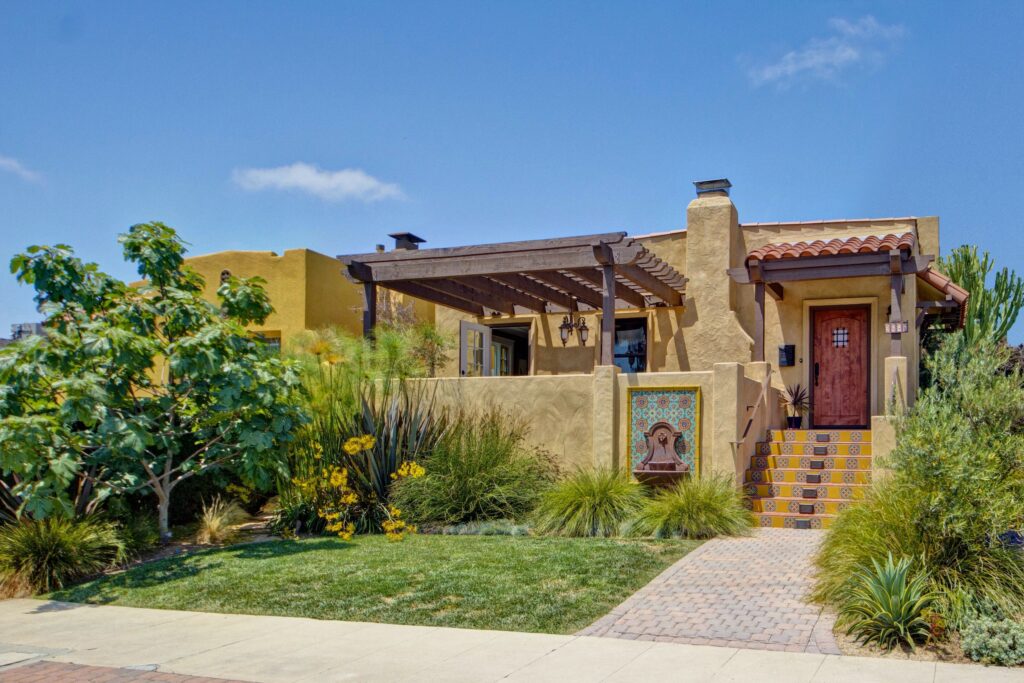
What This Looks Like in North Park
You are selling into one of San Diego’s most walkable enclaves, with craftsman bungalows, mid-century homes, and newer infill condos.
The median sale price recently hovered near 1,030,000, and the inventory around 1.8 months keeps buyers competitive. Many of these buyers are relocating to San Diego from higher-cost metros like LA or the Bay Area. That backdrop rewards you for aligning incentives with what North Park buyers value most: affordability, speed, and confidence in condition.
For a 3-bed craftsman near 30th Street, you may set a 2.2-2.5% percent buyer agent offer plus a 10,000 buyer credit that can be used for closing costs or a temporary buydown. You should complete a pre-listing inspection and address small repairs under 10,000 to remove doubts. That structure typically attracts early offers, reduces renegotiation risk, and keeps your days on market near the local 22-day average or better.
For an infill condo along major corridors, the buyer pool might include first-time buyers who are payment sensitive. You could set a 2.0 percent agent offer plus a lender-permitted credit specifically marketed for a 1-0 buydown. You should highlight HOA strength and reserve health to ease underwriting.
For North Park historic homes with unique features, you can leverage a slightly higher buyer agent offer to expand the agent pool and pair it with a repair credit that acknowledges vintage systems. That combination respects the home’s charm while helping buyers budget for post-close updates.
Neighborhoods to consider: (For a deeper dive into the area, visit our North Park community page.)
- Central North Park: Strong walkability, appealing for first-time buyers, quick access to dining and breweries, and competitive price points near the median.
- South of University Avenue: Quieter streets, larger lots, attractive for move-up buyers who value space and proximity to Balboa Park.
- East of 30th Street toward 805: Mix of historic and mid-century homes, improving streetscapes, good options for buyers seeking value within North Park.
What Most People Get Wrong
You might assume that eliminating buyer agent compensation always saves you money. In North Park’s tight market, that can backfire. If fewer agents tour your listing in week one, you often lose the multiple-offer premium that would have more than covered a competitive offer. Another mistake is advertising a buyer’s credit without verifying how the lender permits its use. You can end up with a credit that cannot be applied to the buyer’s needs, which adds friction and invites cancellation or renegotiations.
You should also avoid overcomplicating your incentive grid. A long list of conditions confuses agents and slows offers. Keep your structure simple, legal, and lender aligned. Finally, do not skip condition prep if possible. A $2,000 to 15,000 pre-list repair plan plus clean disclosures often beats a deeper credit later, because it keeps buyers focused on writing now, not negotiating repairs after inspection.

Frequently Asked Questions
Should you still offer buyer agent compensation after the 2024 settlement?
Yes, if you want maximum exposure and speed. You are not required to pre-offer compensation in the MLS, but a clear, competitive offer off-MLS keeps agents engaged and can produce better early offers that lift your net.
How much buyer agent compensation is competitive in North Park right now?
You will usually see a target range around 2.0 to 2.5 percent. Offers below 1.5 percent often show slow. Your exact number should reflect your timing goals, property type, and how much you pair with buyer credits.
Are buyer credits better than price reductions?
Often, yes. A targeted credit can directly reduce the buyer’s cash to close or payment, which a small price cut might not achieve. You should use credits within lender caps and evaluate whether a temporary buydown or a closing cost offset would have a greater impact.
Can your seller credit pay the buyer’s agent fee?
Sometimes. You can structure a seller-paid credit that the buyer applies to allowable costs under the loan program, including compensation per the buyer-broker agreement. You should confirm with the lender to ensure it is permitted for that loan.
What is the best way to structure a rate buydown at North Park price points?
You should let the lender price the options, then size your credit to the lowest-cost, highest-impact option. One point equals 1 percent of the loan amount. Temporary buydowns often deliver strong first-year payment relief for fewer dollars than permanent buydowns.
The Bottom Line
You are selling in a low-supply, quick-moving North Park market. The 2024 commission changes shifted how compensation is offered, not the reality that agent attention and buyer affordability drive results. Your best move is to combine a competitive buyer agent offer with a lender-permitted buyer credit that can be used for closing costs or a rate buydown. Keep your structure simple, verify caps, and communicate clearly to buyer agents. When you balance compensation with targeted concessions, you create urgency, attract more qualified buyers, and protect your net while selling my home in North Park faster. With the right plan, you present your property as the easy yes for today’s buyers and their agents.
If you are ready to learn more about the buyer agent compensation and concessions in North Park, the McT Real Estate Group can walk you through the specifics for your situation.
619-736-7003 DRE#01715784
You can reference local MLS data, your lender, and the National Association of REALTORS for current rule guidance. For neighborhood strategy and mct real estate insights, you will get the clarity you need to move forward confidently