

Updated June 2026
What’s Happening With San Diego Housing Inventory
San Diego housing inventory is rising slowly. Buyers have more choices today than they did a year ago.
But the gains are uneven. In built-out, central neighborhoods like North Park, detached single-family homes are limited. There’s little open land left, so new houses rarely come online.
Most of what’s being built are apartments, not single-family homes. That keeps detached houses scarce in the metro neighborhoods buyers want most.
For sellers, more inventory means pricing and presentation matter more than ever. Well-prepared homes still sell. Overpriced ones sit.
Here’s how to price and prep the right way: How to Sell Your House in San Diego, Step by Step.
California housing changes hit fast this year. If you own a home in San Diego, they matter more than the headlines let on. On June 25, 2026, the governor signed an $11.25 billion housing bond. Voters now decide it on the November 2026 ballot.
Most of that money funds apartments and affordable units. Not single-family homes.
A tougher statewide rent control bill came back this year, too. It stalled again, so the current cap holds at 5% plus inflation.
So what does all this mean for San Diego homeowners in 2026, especially in walkable neighborhoods like North Park? Here’s the plain breakdown.
If selling is on your radar, start here: Selling Your Home in North Park.
Rent Control Didn’t Get Tighter (And That’s Good News for San Diego Sellers)
A proposed bill would have lowered annual rent increases from 10% to 5% and made the cap permanent. It failed in committee.
For San Diego, that means:
- Rental properties still remain attractive to investors. By adding those strict caps, I believe Investors would look elsewhere for rental properties.
- Homes with ADU or income potential still draw strong buyer interest
- Seller demand stays broader, especially for small multifamily and metro neighborhoods in San Diego
In neighborhoods like North Park, where buyers often look for flexibility, walkability, and future income options, this keeps competition alive instead of shrinking the buyer pool.
California Is Funding More Housing, Mostly Apartments
Lawmakers are proposing a $11.25 billion housing bond, now headed to the November 2026 ballot.:
- Building affordable apartment communities
- Helping first-time buyers with down payments
- Preserving existing affordable housing
Most of this money is earmarked for multifamily projects, not single-family homes.
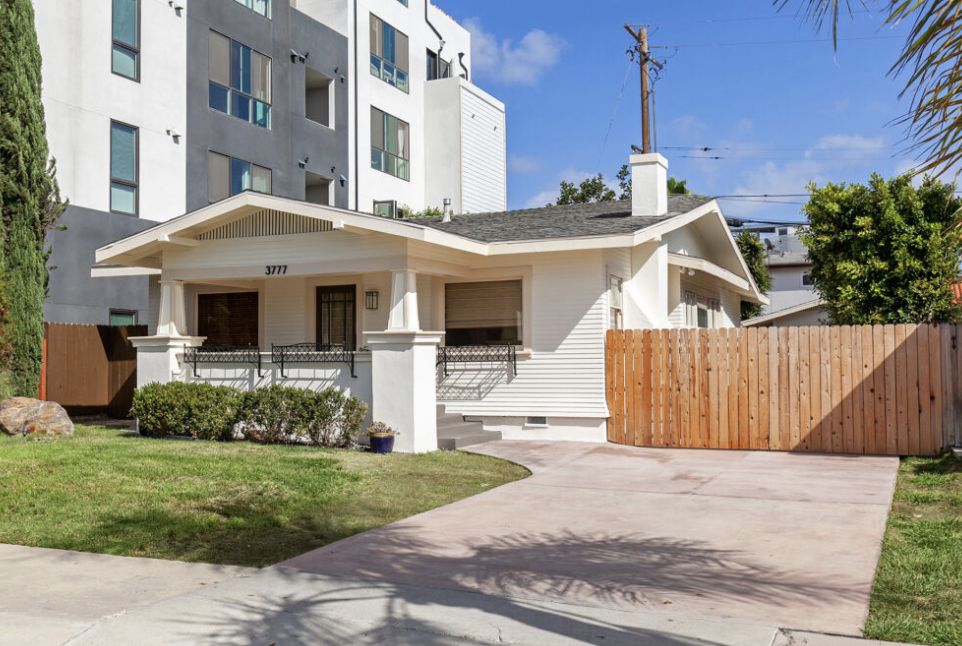
Translation for San Diego sellers: detached homes remain limited. That scarcity continues to support values in established neighborhoods like North Park, where land is already built out, and new single-family inventory is rare. Though if you look at areas in North Park, on the North side of University Avenue, up to El Cajon Blvd, we’re seeing more and more single-family bungalows being knocked down and 5-7-story apartments going up.
If you’d like a deeper look at the neighborhood itself, you can explore our local guide here:
North Park Community San Diego
Building Near Transit Quietly Adds Value in Central San Diego
California is also enforcing laws that allow denser housing near major transit corridors. While some cities are resisting, San Diego has generally leaned into this approach.
Homes that are:
- Walkable
- Near bus or trolley routes
- Close to commercial streets and local businesses
These properties often attract not just traditional buyers, but long-term investors and developers.
In North Park, this shows up along major streets and near transit lines, where zoning flexibility can quietly increase property appeal, even if homeowners don’t realize it yet. That said, not all buyers want a 5-7 story building next to their new home. So, it’s important to know the landscape and the value it brings.
Local Rent Caps Could Still Surface Later
Even though statewide rent control failed, individual cities can still pass their own rules. Several California communities are already moving in that direction.
San Diego hasn’t adopted new local rent caps yet, but historically, this pattern creates:
- Short-term listing spikes as owners sell before rules tighten
- Followed by tighter inventory once regulations settle
For homeowners considering selling, timing matters.
A National Housing Push Won’t Change San Diego Overnight
Federal lawmakers are also proposing large-scale housing construction programs. Even if these pass, the new supply takes years to reach local markets.
This won’t materially affect San Diego home values in the next 6 to 12 months. For 2026 sellers, it’s background noise, not a market-shifter.

What This Means If You’re Thinking About Selling in San Diego
Here’s the honest takeaway:
Inventory is rising slowly
Buyers now have more choices than they did a few years ago. That means pricing and presentation matter more than ever. Working with an experienced and local Real Estate agent who has a strategy in place to help you get the absolute highest dollar amount for your home is crucial.
Metro neighborhoods in San Diego still have strong fundamentals
Limited land, lifestyle appeal, and steady demand continue to support values in North Park, South Park, and nearby metro communities.
The market rewards strategy, not guessing
Overpriced homes sit. Well-prepared homes still sell.
If selling is on your radar, start with this guide:
Selling Your Home in North Park
If you’re exploring your buying options, this page explains today’s conditions:
Buying a Home in San Diego
And if you’d like a real value based on current neighborhood comps (not an automated estimate):
San Diego Free Home Valuation
Final Thoughts
California is pushing hard to solve its housing shortage, but most policy changes focus on apartments and density. For San Diego homeowners, especially in North Park, that means:
- Single-family homes remain scarce
- Metro locations stay desirable
- Buyers are more selective
- Smart pricing wins
If you’re unsure whether 2026 is your window to sell, the best next step is a local, data-driven conversation.
Schedule a call anytime. I’m happy to walk through your North Park numbers and help you decide your smartest move.
Frequently Asked Questions About California Housing Changes
Will California’s housing changes lower home prices in San Diego?
Not in the short term. Most new funding is focused on apartment construction, not single-family homes. In central neighborhoods like North Park, detached homes remain limited, which continues to support property values even as more multifamily housing is added.
Is now a good time to sell a home in North Park?
It depends on your goals, pricing strategy, and property condition. Inventory is rising slowly, buyers are more selective, and well-prepared homes are still selling. Sellers who price realistically and present their homes well tend to see the strongest results in today’s San Diego market.
How do I find out what my North Park home is worth right now?
The most accurate way is a local market analysis based on recent neighborhood sales, not an automated online estimate. A personalized home valuation shows how your property compares to current North Park listings and recent closings.