
Last updated: March 2026

A home inspection in North Park typically reveals a mix of original early-1900s construction and partial updates to systems like electrical, plumbing, and foundations. Buyers should expect a detailed evaluation of the condition of the home. Sellers should prepare for findings related to the age and wear of the home.
What To Expect During a Home Inspection in North Park?
Key Points at a Glance
- Homes are often 80–120+ years old, so age-related findings are normal.
- Inspectors focus heavily on foundations, electrical, plumbing, roofing, and moisture.
- Many homes show partial upgrades, not full system replacements.
- Buyers receive a fact-based assessment, not a pass/fail score.
- Sellers benefit from understanding where issues commonly appear.
- Older homes require nuanced interpretation, not panic.
Understanding the North Park Home Inspection Experience
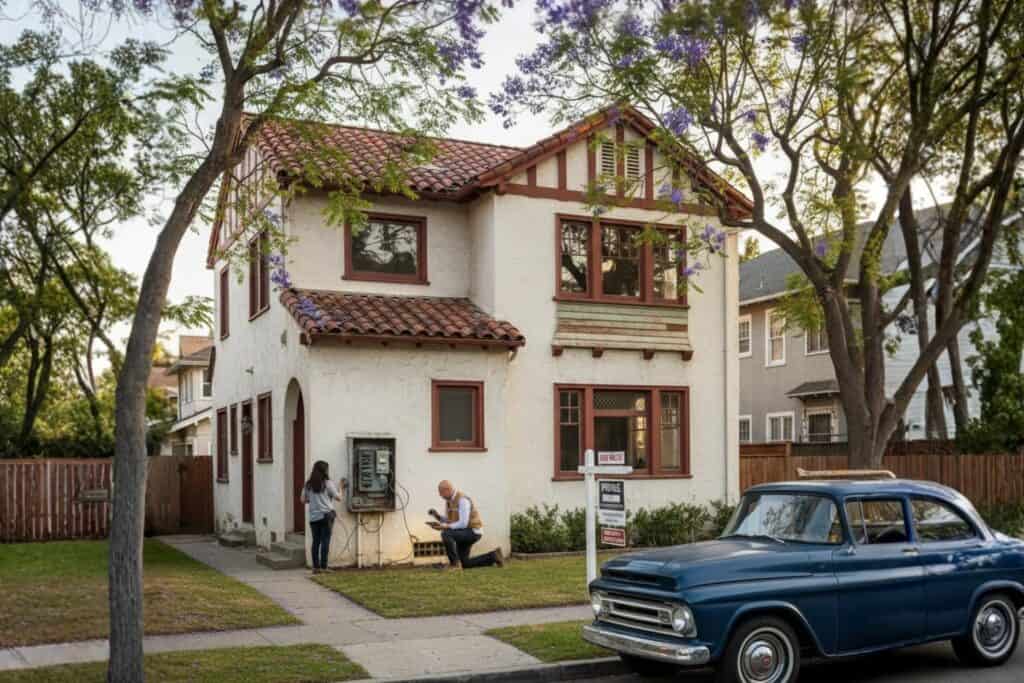
North Park is one of San Diego’s most historic urban neighborhoods. Its Craftsman, Spanish, and early-20th-century bungalows have incredible character. They also feature construction characteristics that simply don’t exist in newer homes. This makes the home inspection one of the most important steps in the buying or selling process.
If you’re specifically interested in historic properties, learn more about Mills Act historic homes in San Diego and the unique benefits they offer.
If you’re new to the home-buying process in San Diego, our complete guide to buying a house in San Diegocovers everything from financing to closing.
Most homes in the area were built from the early 1900s through the 1940s. Many have been remodeled over the decades. Very few have been completely renovated from foundation to roof. You’ll often see a mix of partially upgraded electrical systems, a combination of modern and older plumbing lines, and a foundation that has been reinforced in some areas but untouched in others.
A home inspector’s role is not to alarm anyone. Their job is to document current conditions, identify safety issues, spotlight aging systems, and help buyers and sellers understand what is typical for a home of this era. In North Park, “normal” often looks very different from that in suburban neighborhoods built in the 1990s and 2000s, such as those in Carmel Valley.
For buyers, the inspection provides clarity. You’ll understand which items are maintenance issues, which are long-term improvements, and which are immediate safety concerns. Most findings are manageable, and very few are true dealbreakers if approached with the right expectations.
For sellers, knowing what buyers will likely discover helps reduce friction, prevent surprises, and strengthen your negotiation position. When you anticipate inspection outcomes, you maintain control of the narrative instead of constantly reacting to it.
By the Numbers: Common Inspection Findings in North Park (92104)
Based on our 530+ North Park home sales and inspector reports we’ve reviewed, here’s what typically appears in home inspections for pre-1950 North Park homes:
- Foundation issues (85%): Minor cracks, settling, sloped floors-most manageable, some require budgeting for future work
- Electrical system concerns (60%): Mixed wiring generations, panel upgrades needed, missing GFCI protection
- Plumbing findings (40%): Original cast iron or clay drain lines, galvanized supply pipes, evidence of past leaks
- Roof condition (50%): Multiple layers, patching, or nearing end of life (15-25 years typical for composition shingles)
- Moisture or ventilation issues (30%): Attic ventilation inadequate, crawl space dampness, stucco cracks
- Sewer scope recommendations (90%): Most inspectors recommend separate sewer camera inspection for homes with clay laterals
These percentages don’t mean homes are defective-they mean North Park’s housing stock is 80-120 years old. Understanding common patterns helps buyers and sellers negotiate from a position of knowledge rather than fear.
Common Misconceptions About North Park Home Inspections
- “Older homes should pass like new homes.”
Older North Park homes rarely, and I do mean rarely, have a “clean” modern-style report, and that’s normal. The goal isn’t perfection; it’s understanding what you’re buying or selling. - “Older issues must be fixed before closing.”
Most inspection findings in older homes are negotiable rather than mandatory repairs. Buyers and sellers can work together to prioritize what truly matters. - “Partial upgrades mean everything was done correctly.”
Many homes have had multiple homeowners and contractors over 80–100 years. Patchwork upgrades are extremely common, which is why inspectors pay close attention to the quality and consistency of work. There are times when things were done correctly and up to code, back when the work was completed. Though 20-30 years later, it may not be considered up to code. - “Original materials are automatically unsafe.”
Original framing or materials can still be structurally sound. What matters is condition, moisture history, pests, and how the home has been maintained over time.
Important Considerations for Buyers and Sellers
1. Foundations (Settling Is Common)
Homes from the 1900s–1930s often show signs of natural settling. This may include minor cracks, sloped floors, and areas of past reinforcement. In North Park, it’s common to see:
- Minor cracks in the stem walls
- Past reinforcement or patches
- Partial seismic retrofitting on some homes, and others that have not been retrofitted at all
- Floors that are slightly out of level, even when a full foundation has been replaced
- Repairs that have been done at different times in different sections
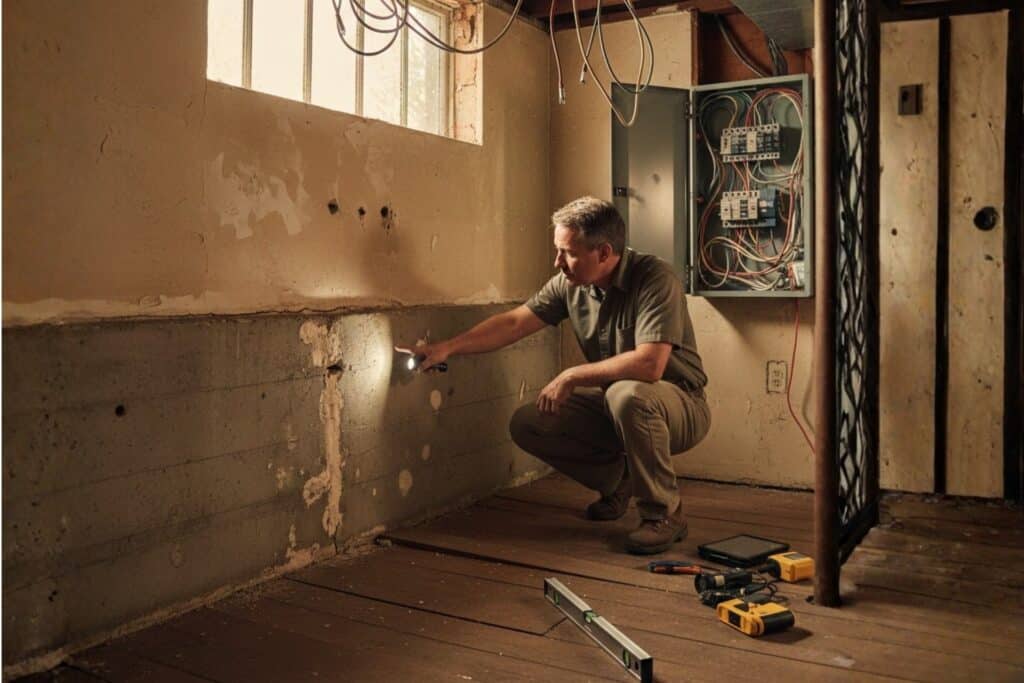
These issues are not automatically structural emergencies, but they should be evaluated for long-term stability and budget planning.
2. Electrical Systems (Mixed Generations of Wiring)
It’s common for North Park homes to have a blend of electrical eras. An inspector may find:
- Modern copper wiring in some areas
- Older knob-and-tube wiring in walls or attics (in some homes)
- Subpanels or additional circuits added over time
- Variations in grounding and GFCI protection
Sellers should anticipate questions about panel capacity and safety. Buyers should see this as an opportunity to understand what’s been upgraded and what might be a future project.
3. Plumbing (Original + Updated Lines)
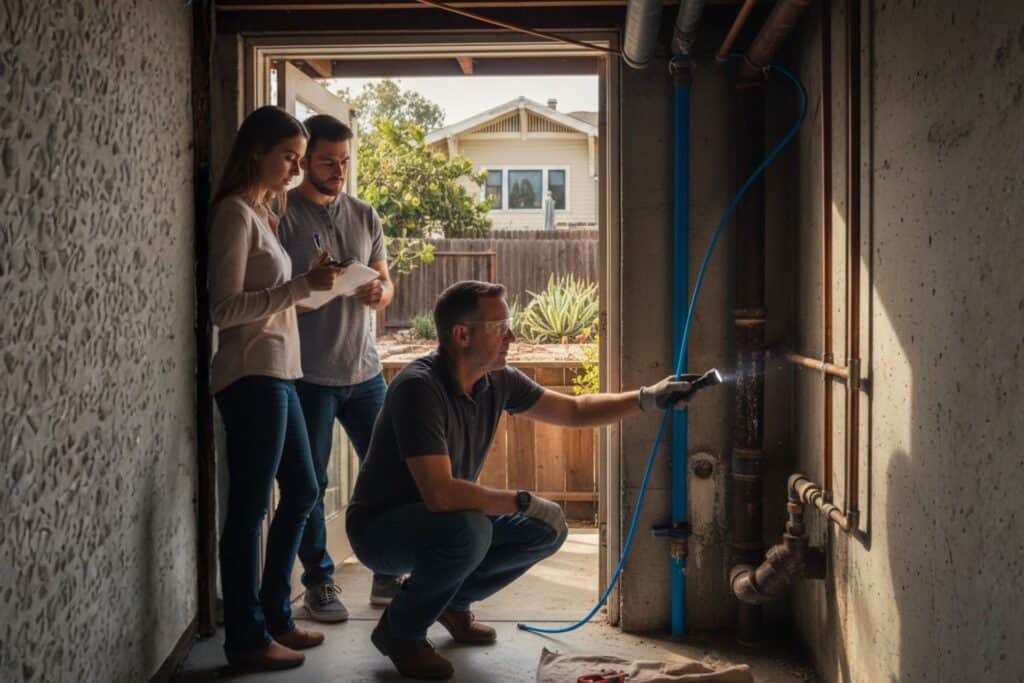
Plumbing in older North Park homes is often a patchwork of generations. An inspection may highlight:
- Original cast iron or clay drain lines
- Mixed copper, galvanized, or PEX supply lines
- Evidence of past leaks or repairs
- Sections of plumbing that are newer alongside very old sections
Because of the age and soil conditions, a separate sewer scope is commonly recommended and is a smart move for buyers.
4. Roofs (Multiple Layers & Patches)
Roofs on older homes often tell a long story. Inspectors will look for:
- Multiple layers of roofing material
- Partial replacements or patched areas
- Flashing around chimneys and additions
- Signs of past or active leaks
The age of the roof and quality of past work will heavily influence what buyers and sellers discuss after the inspection.
5. Moisture & Ventilation
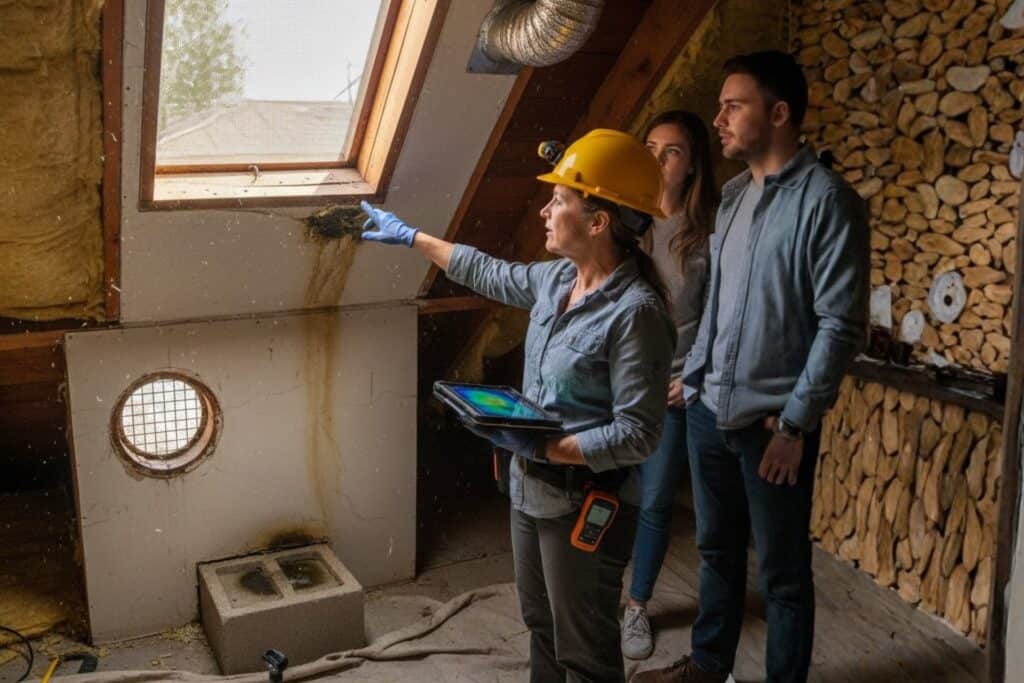
Older homes can be more prone to moisture issues simply because of their age and construction style. Inspectors often pay close attention to:
- Attic ventilation and insulation
- Stucco or siding cracks and repairs
- Window condition and sealing
- Any signs of mold, mildew, or prolonged dampness
- Water in the crawlspace
Proper drainage, grading, and ventilation can make a significant difference in how an older home ages.
Frequently Asked Questions About North Park Home Inspections
Do older North Park homes “fail” inspections?
Home inspections aren’t pass/fail. Older homes simply produce more findings, most of which are expected and manageable. Based on our 530+ North Park sales, approximately 85% of pre-1950 homes show some foundation settling, and 60% have mixed electrical systems-both normal for homes of this era. The inspection helps you understand what you’re buying, not label the house as good or bad.
Should sellers fix issues before listing?
Sellers don’t have to fix anything. However, addressing clear safety items or obvious defects before listing can reduce negotiation pressure later. What may cost $500 to fix before listing can become a $2,000 negotiation point if the buyer or their agent isn’t familiar with older homes. It also signals the house has been responsibly maintained. In North Park, pre-listing repairs that commonly pay off include: updating old electrical panels, repairing obvious foundation cracks, and addressing active roof leaks.
Are older homes harder to insure?
In 2026, most insurance companies ask about roof age, electrical system age, and plumbing materials. Some require updates or documentation of recent work before issuing coverage. Your inspector’s findings help you and your insurance agent have an informed discussion. For North Park homes, common insurance requirements include: roof under 20 years old, electrical panel with adequate capacity (100+ amps), and no active knob-and-tube wiring. Your realtor can connect you with insurance agents experienced in older North Park homes.
What else should I know about buying in North Park?
Check our comprehensive guide to buying a house in San Diego for information on financing, neighborhoods, timelines, and working with the right real estate agent. For North Park specifically, also read our sewer scope guide-90% of North Park home inspectors recommend separate sewer camera inspections for homes with original clay laterals.
How much do typical inspection repairs cost in North Park?
Common North Park inspection repair costs: Electrical panel upgrade ($1,500-3,000), foundation crack repair ($500-2,500), roof patching ($300-1,000), sewer lateral spot repair ($1,500-5,000), or full sewer line replacement ($8,000-25,000). Most inspection findings fall into the $500-3,000 range and are negotiable between buyer and seller. Major items like full foundation replacement ($15,000-40,000) or complete electrical rewiring ($8,000-20,000) are less common but should be budgeted if identified.