
The recent wildfires in Los Angeles County have resulted in the destruction of more than 12,000 structures and forced 92,000 residents to evacuate while leaving multiple neighborhoods completely destroyed due to the aftermath of the wildfire. The recent natural disaster has left residents wondering about the fate of their mortgage payments, rent obligations, and utility expenses. This guide provides you a straightforward answer to both homeowners and renters.
The guide below is based on FEMA advices, mortgage service policies, and even real-life disaster survivor experiences to explain your rights and available options to choose from.
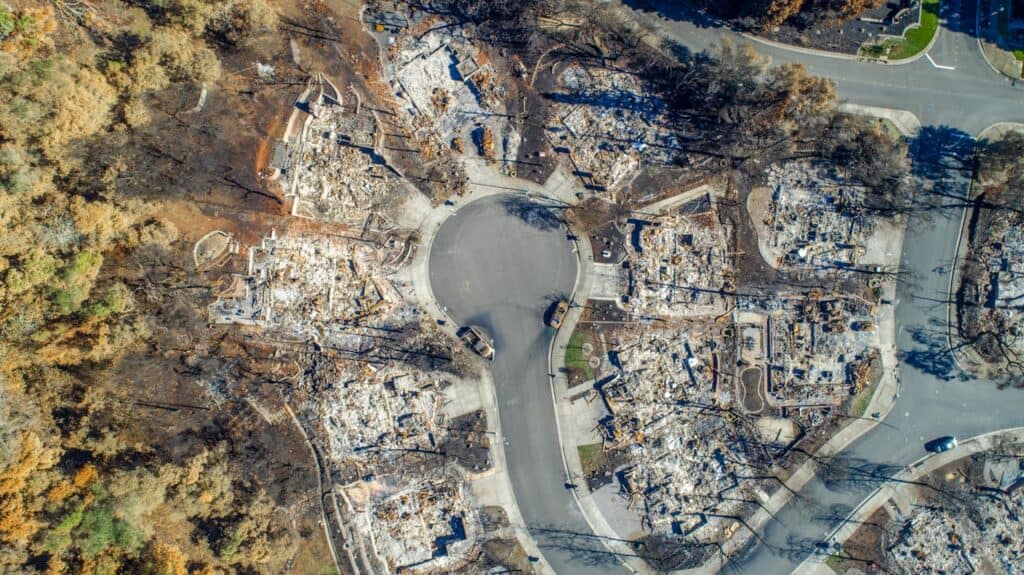
Do You Still Have to Pay Your Mortgage and Bills If Your Home Is Destroyed?
Even though your house no longer exists unfortunately you still need to continue paying your mortgage. Homeowners who experience destruction of their property must continue making mortgage payments despite the loss of their home. People who face disasters such as LA wildfires can seek relief through available options. Those who request mortgage forbearance can get temporary relief through payment suspensions or reductions which extend up to 12 months. The relief program extends to all loans that Fannie Mae, Freddie Mac, FHA and VA loans as well.
The forbearance period allows borrowers to avoid late fees and puts an immediate halt to foreclosure actions.
According to Fannie Mae:
“Homeowners affected by a disaster are often eligible to reduce or suspend their mortgage payments for up to 12 months”
The relief program does not provide forgiveness to borrowers. After forbearance ends borrowers must pay back the deferred payments through either a single payment or installment payments or by lengthening their loan duration. Private loan borrowers should check with their specific lenders for available options. Major financial institutions JPMorgan Chase and Bank of America have created disaster forbearance programs for their customers. You should reach out to your mortgage servicer right away to explore the available options since your home has been destroyed.
What Should You Do Immediately After Your Home Is Destroyed?
Your first priority after getting into safety and the natural disaster settles down, should be to reach out to your insurance provider. A prompt claim submission will activate benefits that include temporary housing support and even reconstruction expense coverage. Under California law, those who are insured or have home insurance must give their policyholders approximately four months of loss-of-use payments at the start which enables them to pay for rent or hotels until they decide on their future plans. It’s important to document everything. Document the damage done through photography and videography while maintaining records of all your hotel expenses, clothing purchases, and pet care costs. Though do take note this comes in a case to case basis, reimbursement of these costs usually depends on the specific terms of your insurance policy.
Barbour suggests that you should submit disaster relief applications to both FEMA and the Small Business Administration (SBA). FEMA grants support immediate requirements such as food and temporary shelter needs while the SBA provides low-interest loans to both homeowners and renters who do not operate businesses.
What Happens to Rent Payments After a Natural Disaster?
The residents of Los Angeles specially renters receive protection under California law whose homes suffer damage or destruction from natural disasters. For renters, The complete uninhabitability of your rental unit makes your lease invalid so you must stop paying rent. Your landlord must refund your security deposit. Under California Civil Code § 1941.1
San Diego residents have the legal right to receive a habitable living space. Tenants possess legal options to end their lease when their rental unit becomes uninhabitable because of natural disasters. The landlord must return both prepaid rent and security deposit to tenants within 21 days unless they can justify deductions. Tenants who experience partial damage to their units have two options to choose from which includes lease termination or staying with their rental until repairs are completed. The rent payments will stop until the unit reaches a livable state during this time. Renters who lack insurance coverage can receive FEMA assistance and SBA loans to help pay for relocation costs and personal property replacement.

Do You Still Have to Pay Utility Bills?
The requirements for utility services following a disaster vary based on your utility provider and the state of your property. Southern California Edison has stopped sending bills to customers in mandatory evacuation zones and has permanently eliminated billing for properties that suffered complete destruction in LA. SoCalGas has eliminated all current and past utility bills for properties that were destroyed while the Los Angeles Department of Water and Power has stopped sending billing notices to fire-affected areas. You should reach out to your provider to learn about the relief options they offer just to be completely safe.
Can You Get Relief on Property Taxes?
California residents who experience property damage exceeding $10,000 can submit a calamity claim to their local assessor’s office for property tax reassessment. The approval of this request will lower your property taxes until you finish repairing or rebuilding your property. The deadline to file claims following a disaster is within 12 months.
What If You Don’t Have Homeowners Insurance?
Uninsured homeowners receive essential protection through disaster relief programs. The SBA provides low-interest loans of up to $200,000 for structural repairs and $40,000 for personal property replacement while FEMA grants support temporary housing and food and other essential needs. United Policyholders together with other nonprofits provide uninsured homeowners with essential guidance during their recovery process. The process of rebuilding becomes manageable even though you lack insurance coverage. The key to success lies in staying organized while seeking help.

How Can Residents Find Temporary Housing After a Natural Disaster?
The process of obtaining temporary accommodation becomes difficult for people after a disaster strikes. The news about LA shows how rental options are restricted while home prices skyrocket. After widespread disasters many organizations provide assistance to affected communities. Airbnb.org provided complimentary temporary accommodations to LA fire victims and select hotels and apartment complexes offer reduced rates. The housing assistance program from FEMA is available but needs a state request to become active.
How Do You Cope Emotionally After Losing Your Home?
The experience of losing your home creates emotional distress which matches the financial difficulties you face. Survivors together with experts stress that people should seek help through counseling services provided by FEMA and local nonprofits and community networks. The recovery from natural disasters takes time but you will find support throughout your journey. Document your losses, contact your mortgage servicer and insurance company, and apply for all available aid. Your journey toward recovery will succeed through determination and assistance.