
If you’ve just moved into your new San Diego home, one of the first things on your agenda should be checking your HVAC (heating, ventilation, and air conditioning) system. Regular and proper maintenance of the HVAC system is essential for many reasons. You will extend the system’s life and save money that you would spend on expensive repairs. Also, you’ll make sure that your family lives in a home with good air quality. Does it seem like a daunting task? Well, don’t worry; we’ve got you covered. Here are the most critical guidelines on how to maintain your HVAC system. We’ll also tackle the question of how frequently you should do HVAC maintenance on a new property!
Why is it important to have regular services for your HVAC system?
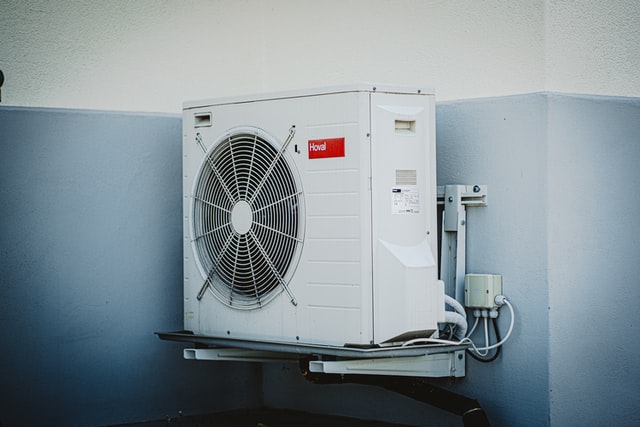
Before we get into specific, easy checks and cleanings that you can do yourself, it’s important to note that regular HVAC system servicing is a crucial part of preventing major breakdowns. There are many professional services that you can find on the internet that will perform thorough checks and cleanings. They will go through parts of the system that you cannot check without additional knowledge of the system and the appropriate equipment, for example, safety controls, heating pumps, refrigerant charges, etc.
How frequently should you do HVAC maintenance on a new property?
According to recommendations from most HVAC system manufacturers, you should have this service performed at least once a year. Since the HVAC system is used most during summer and winter, it is recommended that you perform maintenance in spring and fall. Summer’s also the peak moving season, so… Yeah, one could guess you’re better off servicing your HVAC either before or after that.
What should you pay attention to when maintaining your HVAC system yourself?
Regardless of whether or not you have information that the previous tenant regularly maintained the HVAC system, you should have a routine maintenance check when you move in. This is one of the home maintenance tasks that will make it both look and feel good. Every HVAC system consists of outdoor and indoor units. To begin with, you should visually inspect the HVAC system.
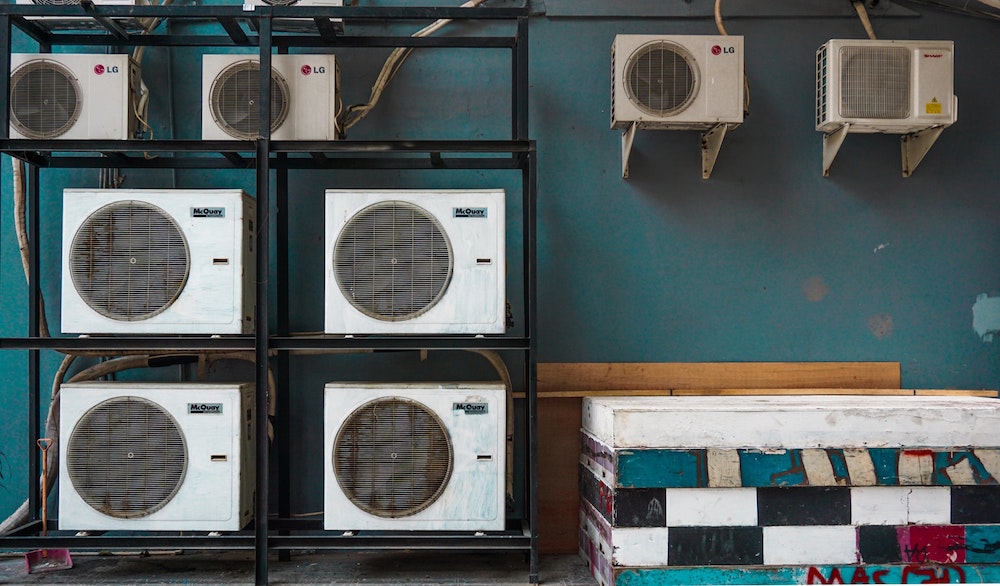
The most important things you should pay attention to with the HVAC outdoor unit
Contamination of the outdoor unit of the HVAC system
Dust, dirt, and leaves can easily get into the outdoor unit, making it difficult for the mechanism to function. It can result in overworking the system to reach a certain temperature. Therefore, you should make sure the outdoor unit is clean. You should clean the unit with water if too much dirt has accumulated. It is good to use a hose so that the jet washes the dirt from inaccessible places.
Clogging of the condensation system
The hose on the HVAC system’s outdoor unit may be blocked or kinked by something, which leads to the accumulation of water that should drain smoothly. Make sure the hose is clean and straight.
The most important things you should pay attention to with the indoor unit
Filter
The filter on the air conditioner is important because it retains much of the dust, smog, dirt, bacteria, and viruses found in the air. Suppose you don’t clean your filter regularly. In that case, the flow of air can be difficult, and the air in the house becomes less clean, making it easier for allergies and respiratory diseases to occur. It would be best if you consulted the air conditioner manufacturer’s manual at home first. However, you can also find many useful tips online on how to properly clean the air conditioner filter. There are also several filter-cleaning fluids you can purchase at any home improvement store. Using these products will kill microorganisms more effectively than cleaning the filter solely with water.
The battery on the thermostat
Sometimes the most obvious things are the easiest to miss. Check the thermostat battery and replace it regularly, as an empty battery can make the system seem to have a more serious malfunction.
What else can you do to save energy and extend the life of your HVAC system?
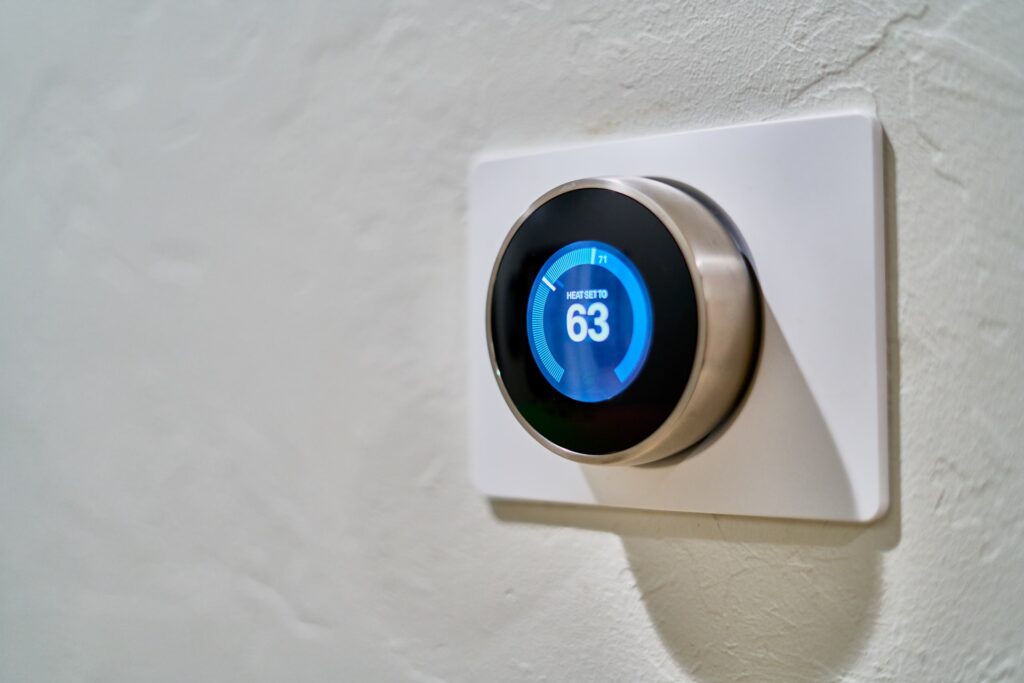
The rational setting of the thermostat
If you take care that the thermostat is always properly adjusted, you will save electricity that would be wasted on the excessive operation of the HVAC system. When you leave the house for a longer period, adjust the thermostat. Also, adjust the thermostat to the time of day. While this may seem like a small thing, it’s important because, in addition to saving money and energy, it also helps protect your HVAC system from overworking.
Switch to a smart air conditioning controller
The new controllers have energy-saving options and more efficient fault detection, so you can save time, money, and energy trying to figure out what’s wrong with your HVAC. Although this may not seem like the most economical option, it pays off in the long run.
Keep track of electricity bills
Given that you have recently changed the property you are living in, you should pay attention to your electricity bills in the next few months. Estimate how much your home spends on heating or cooling, and monitor whether the bill aligns with your consumption. If there are significant price variations, consider whether you have done everything you can to save energy and whether the thermostat is working properly. The thing is, many beginners miss this when renting a house for the first time. If you’re one of them, please pay attention to the monthly differences in your bills.
Maintaining should not be a problem
Maintaining your HVAC system should not be a problem for you and is not a huge expense. However, the most important aspect of this system operating at full capacity is preventive maintenance, which entails minor cleanings and checks. Once you establish that routine in your new San Diego home, you’ll soon become an expert in air conditioning and heating, cleaning, and maintenance, at least know you’re well aware of how frequently you should do HVAC maintenance on your new San Diego property.
If necessary, you should write a reminder on how frequently you should do HVAC maintenance on a new property, because sometimes it is forgotten during the year when we do not use it often. You should avoid reacting too late, that is, servicing and checking the HVAC system when the heat (especially the California heat) or cold weather has already started.
Why Regular HVAC Maintenance Matters for New Homes
Even if your HVAC system is brand new, regular check-ups are important. Maintenance helps ensure optimal performance, catch small issues before they become bigger problems, and extend the lifespan of your system. :contentReference[oaicite:0]{index=0}
Skipping maintenance can reduce efficiency, increase energy bills, and lead to unexpected breakdowns during extreme weather. :contentReference[oaicite:1]{index=1}
Recommended Maintenance Frequency for San Diego Homes
Most HVAC experts recommend servicing your system at least once per year. For many homeowners, that means scheduling maintenance in the spring and/or fall—just before the heavy-use cooling or heating seasons. :contentReference[oaicite:2]{index=2}
For better protection and longevity — especially if you use HVAC a lot — the ideal schedule is twice a year (spring & fall). That ensures your system is cleaned, inspected, and tuned ahead of both summer and winter. :contentReference[oaicite:3]{index=3}
What a Typical HVAC Maintenance Visit Includes
- Inspect and clean condenser and evaporator coils
- Check refrigerant levels (if applicable)
- Inspect and clean filters, ductwork, fans, and motors
- Test system controls, thermostats, and electrical connections
- Ensure safe and efficient operation of heating and cooling components
A comprehensive maintenance visit not only improves efficiency and comfort but also helps prevent costly repairs or early system replacement.
DIY Maintenance Between Professional Visits
Between professional tune-ups, homeowners can help maintain their HVAC system by:
- Replacing or cleaning air filters every 1–3 months (more often if you have pets or allergies)
- Keeping vents and air returns clear of dust and debris
- Ensuring the area around outdoor units is free of debris and overgrown vegetation
These simple steps help maintain airflow, reduce strain on the system, and support indoor air quality. :
How This Applies to San Diego & Metro Neighborhoods
In San Diego’s temperate climate — including neighborhoods like North Park, South Park, and University Heights — you may not need heavy heating, but air conditioning and ventilation still see regular use. That makes regular HVAC maintenance especially valuable for comfort, efficiency, and long-term value.
Proper HVAC care is part of the overall maintenance you want to stay on top of when you own a home in these metro neighborhoods. If you’re thinking of selling or want to preserve value, a well-maintained system can help with buyer appeal and smooth inspection outcomes.
Ready to Schedule Your HVAC Maintenance?
If you’d like help finding a qualified HVAC contractor or want a seasonal home maintenance checklist — especially useful if you own in North Park, South Park, or nearby — let us know. We’re happy to recommend trusted local pros.
Frequently Asked Questions (FAQ)
How often should a brand-new HVAC system be maintained?
Even new systems benefit from professional tune-ups once per year — ideally twice (spring and fall) — to ensure efficiency and catch potential issues early.
Do I really need to service HVAC every six months?
Twice-yearly service is recommended because it prepares your system ahead of both summer and winter. If you use HVAC heavily or want maximum performance and lifespan, biannual maintenance is worth considering. :contentReference[oaicite:6]{index=6}
When is the best time of year to schedule HVAC maintenance?
Spring (before summer) and fall (before winter) are ideal — that way, HVAC is tuned before peak usage seasons. :contentReference[oaicite:7]{index=7}
Can I do some maintenance myself between professional visits?
Yes. Changing air filters every 1–3 months, keeping vents clean, and ensuring the outdoor unit area is clear help maintain airflow and efficiency until the next professional check-up.